What do promotional models do? The role and what drives the cost.
What promotional models do in store and at events, the factors that decide the cost of a booking, and how to select and brief a team fairly.
6 min read7 steps5 checks
“
Write the selection brief around the role, not the look. It's fairer and it gets better results.The one thing to remember
Start
Start here
Seven steps to the right team.
From what a promotional model is to looking after a team on shift. Follow the line; tap any point to read it.
01Step 1 of 7
What a promotional model is
A promotional model is booked to draw people to a product and start the conversation. You can hire promotional models through us.
Know the product
Explain the offer
Run demonstrations
Capture interest
The industry now says promotional models, and the role is open to anyone with the right skills.
It's a member of promotional staff booked for presence and confidence: someone who stands out in a busy space and draws people towards a product.
Where the role was once mostly about appearance, brands now expect promotional models to know the product, explain the offer, run demonstrations and capture interest. The visual impact gets attention; the conversation is what sells.
02Step 2 of 7
Chosen for skills, not looks
Terms like "promo girls" and "grid girls" are increasingly seen as dated, and many brands have moved to mixed teams chosen for how well they engage people.
Experience
Product knowledge
Availability
Confidence
Choose staff on what the role really needs: experience, product knowledge, availability and confidence.
Appearance standards should be about uniform and grooming and should apply equally to everyone on the team.
Key pointWrite the selection brief around the role, not the look. It's fairer and it gets better results.
03Step 3 of 7
What the role covers in store
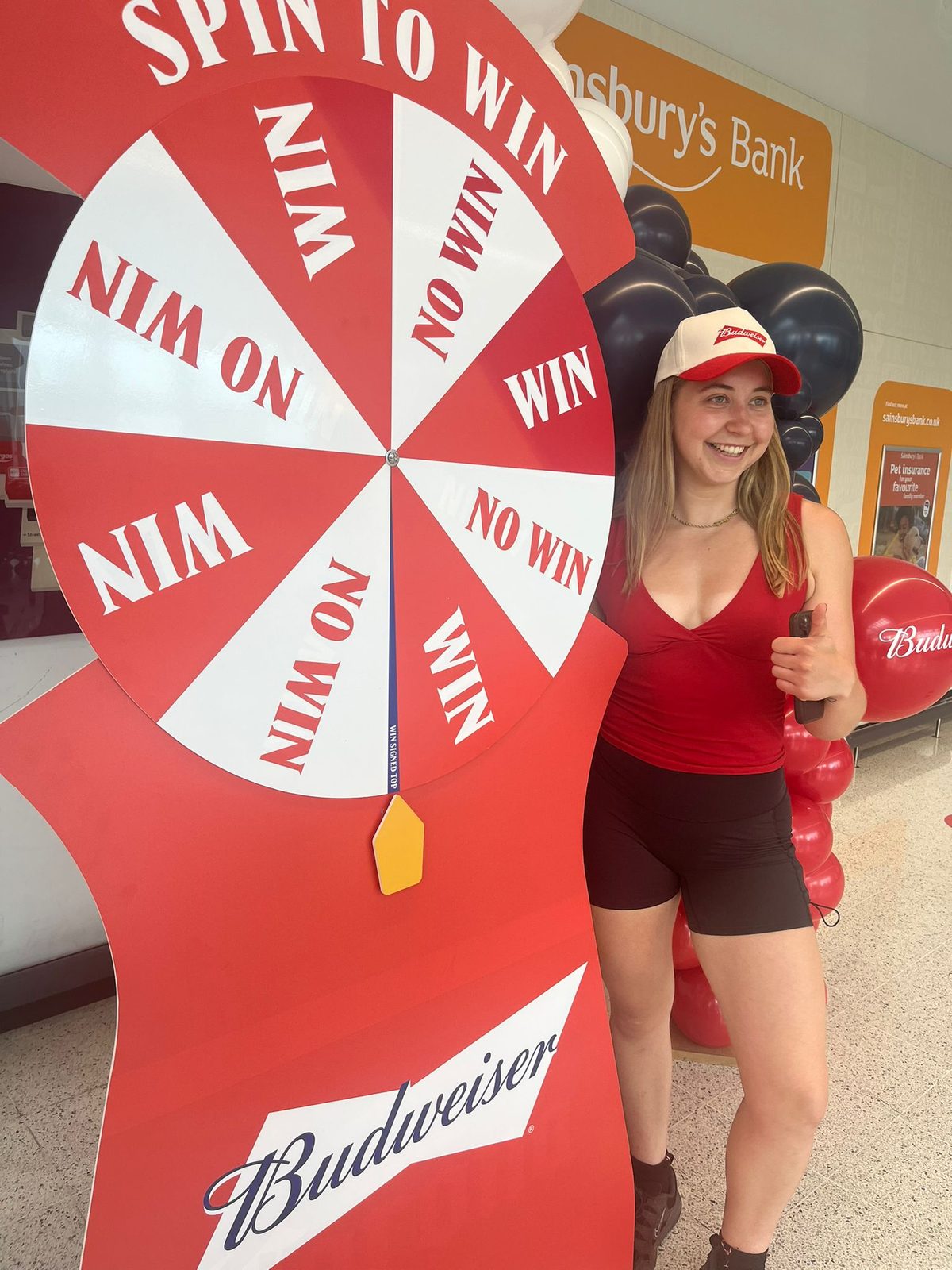
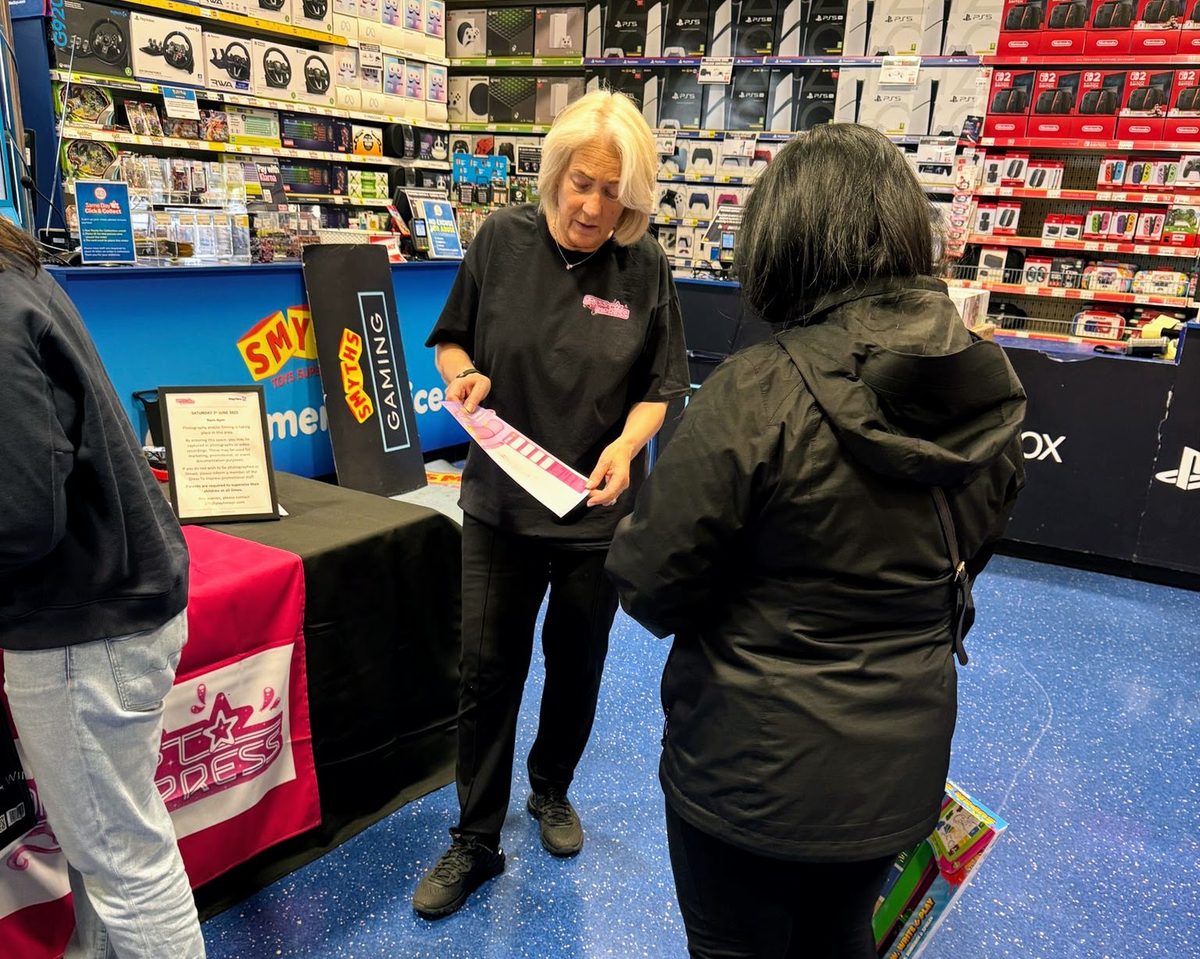
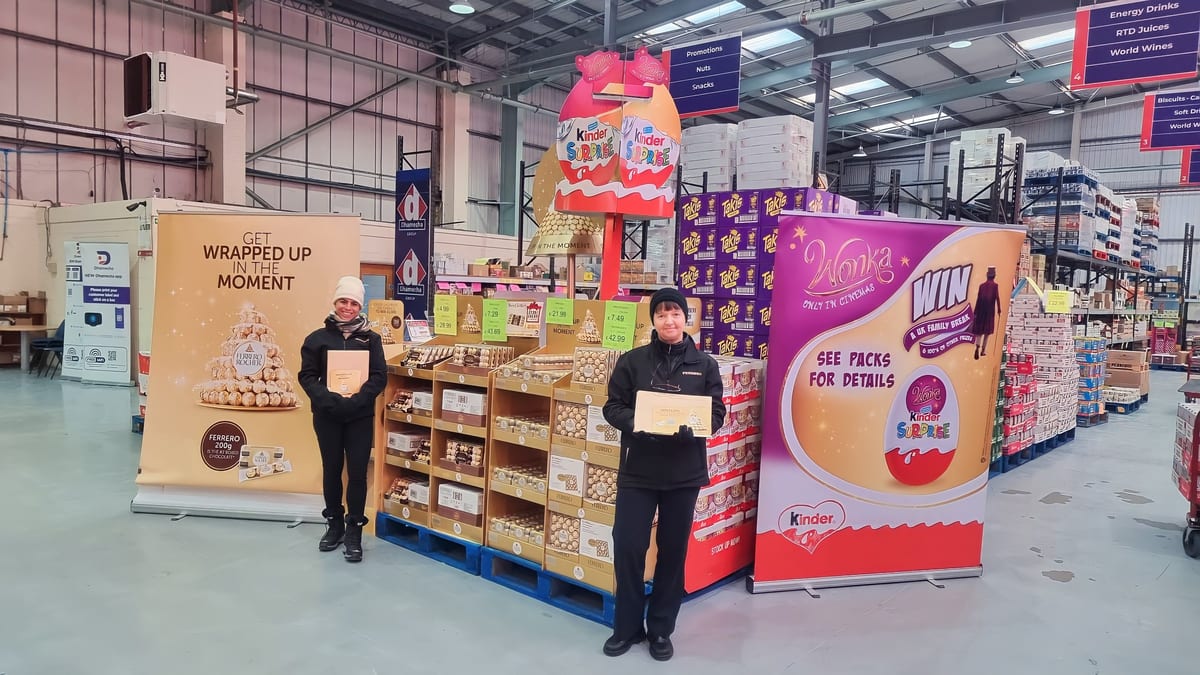
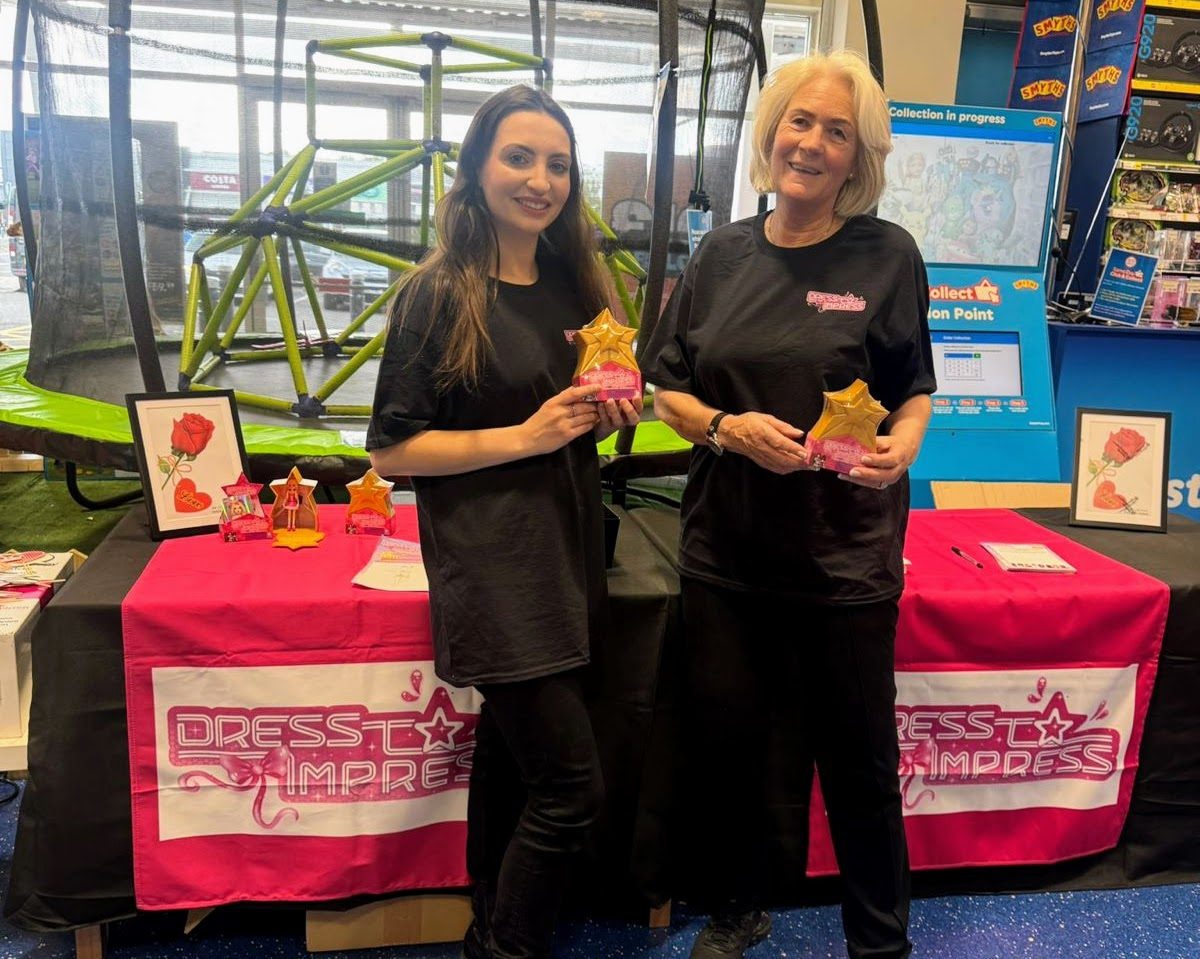
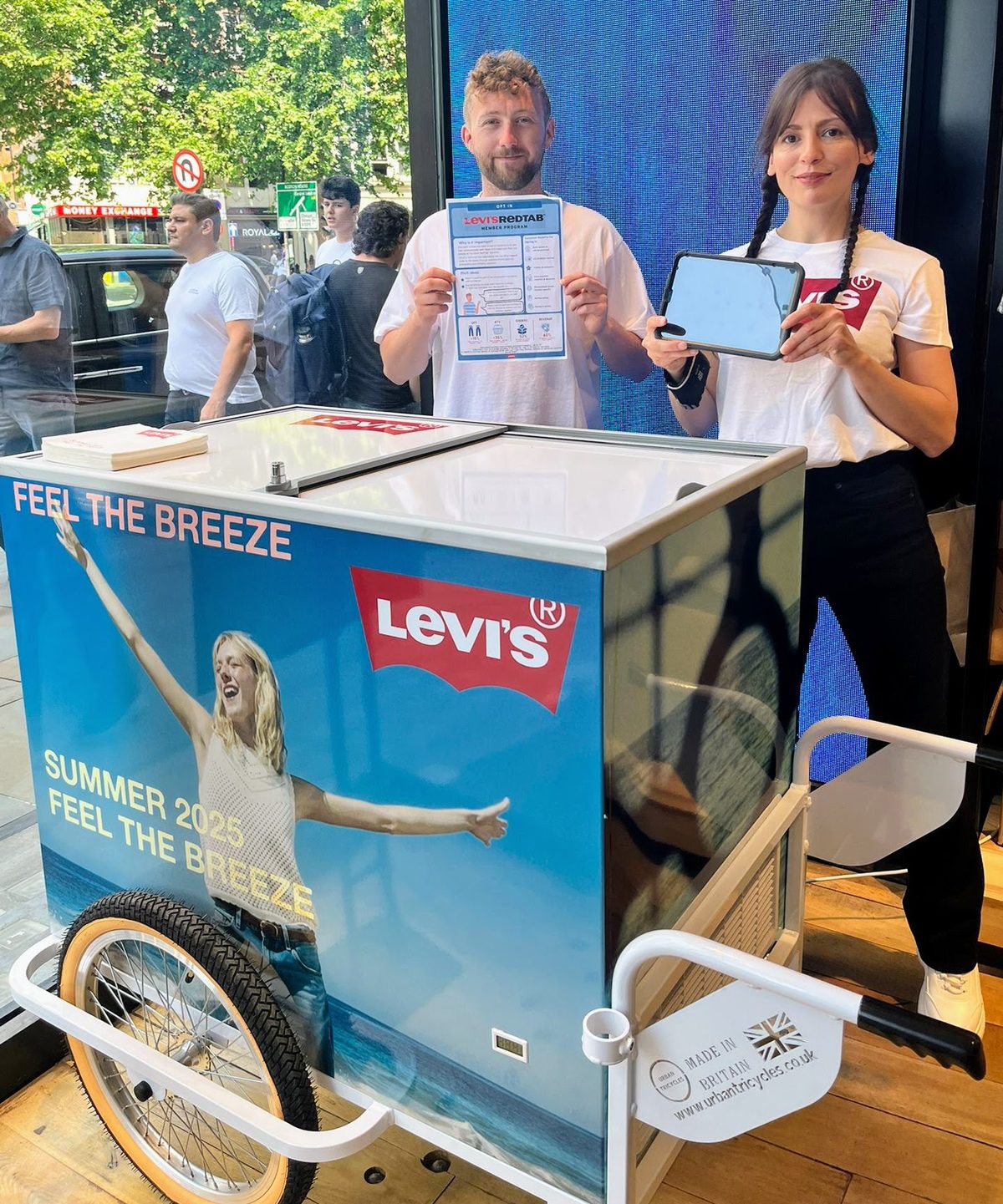
Retailers set the rules on the shop floor, so in-store work also means signing in, working within the agreed space and following store staff's instructions.
Draw attention
Start conversations
Demonstrate
Hand out vouchers
Capture details
Report back
To a display, launch or offer in a busy aisle or entrance.
And explain the product or promotion in a few clear lines.
Where the store allows it, keeping the area tidy and safe.
That drive a purchase on the day.
For a prize draw or newsletter with proper consent.
On stock, footfall, questions and how shoppers responded.
04Step 4 of 7
Where else they are booked
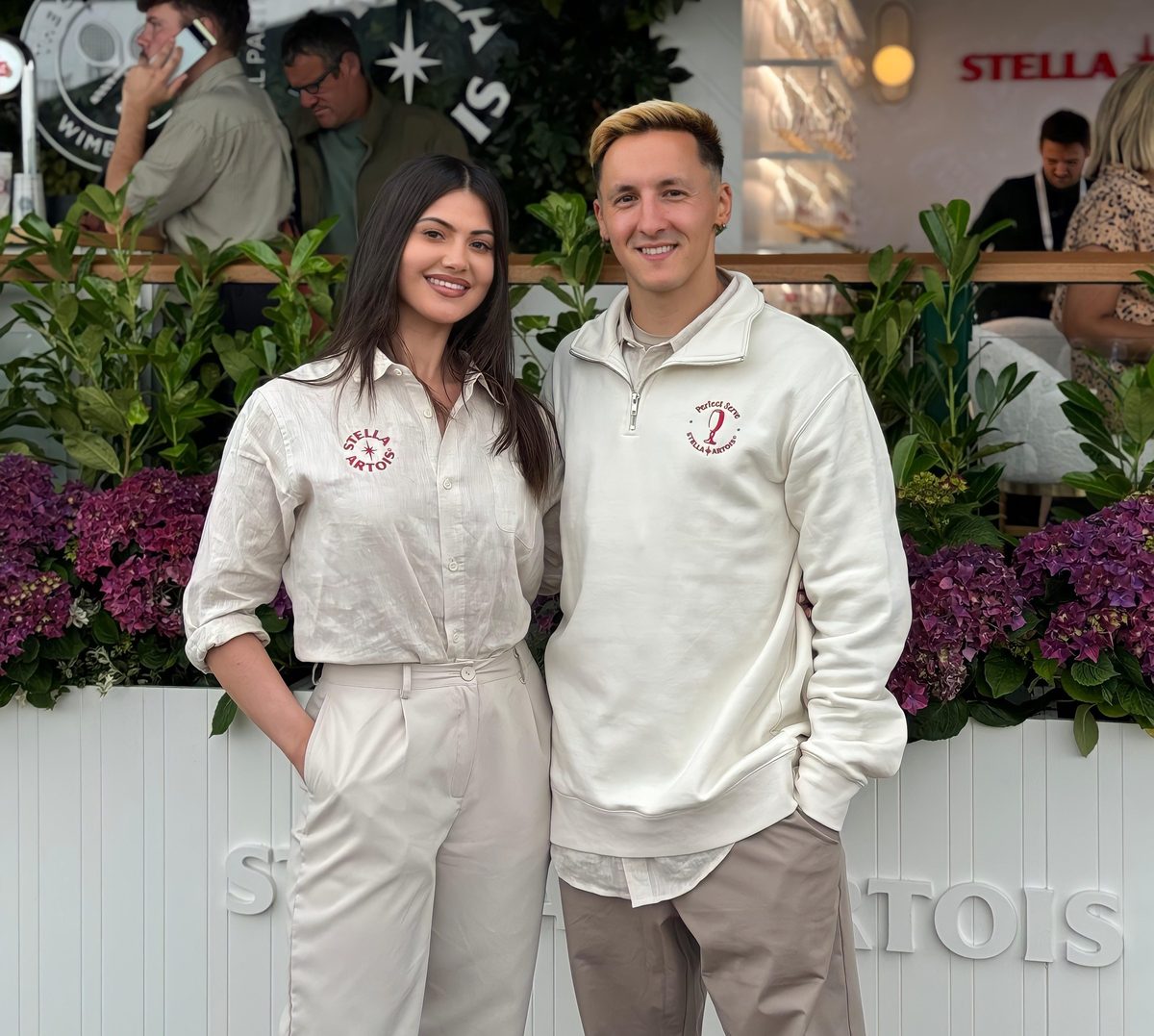
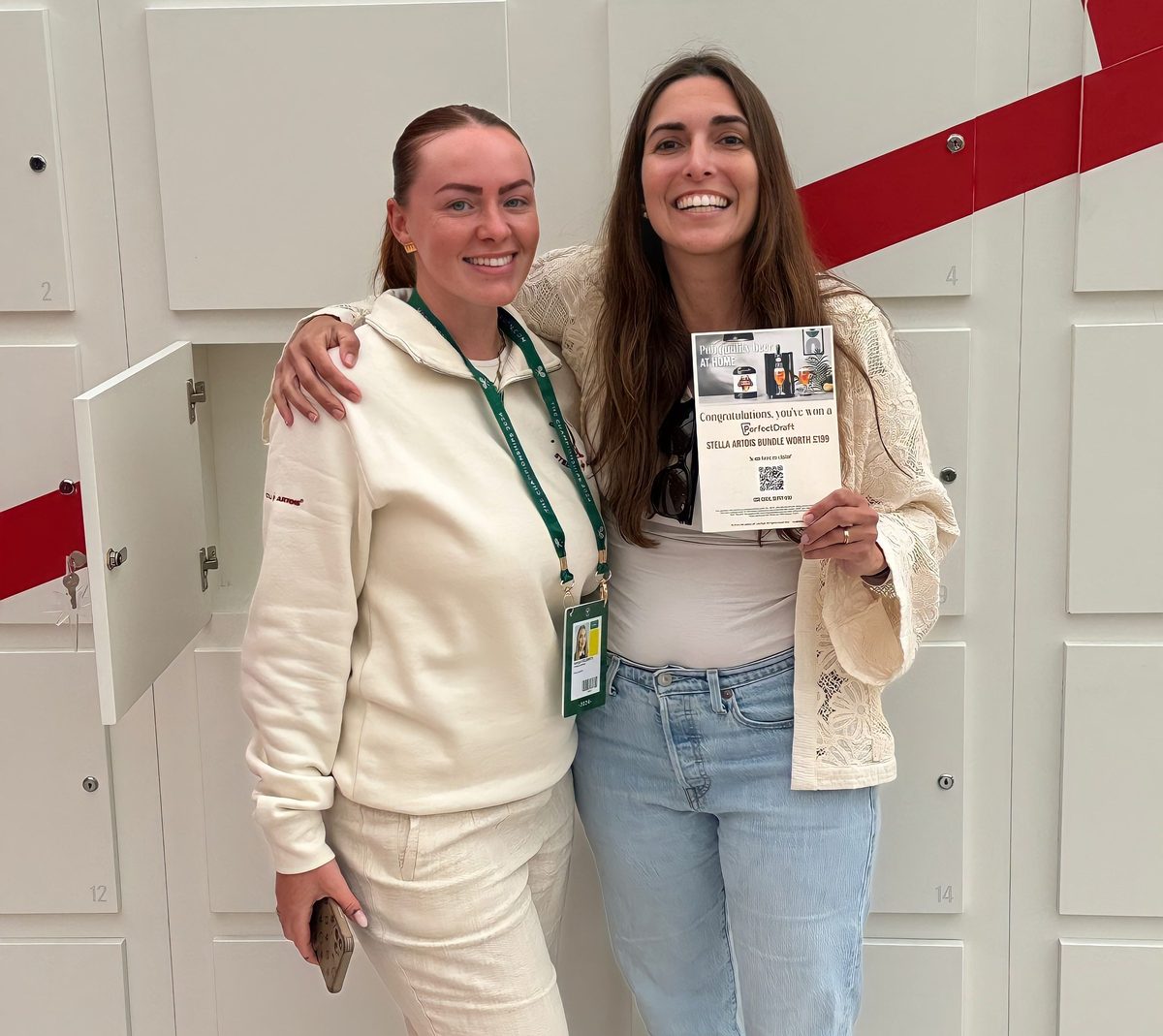
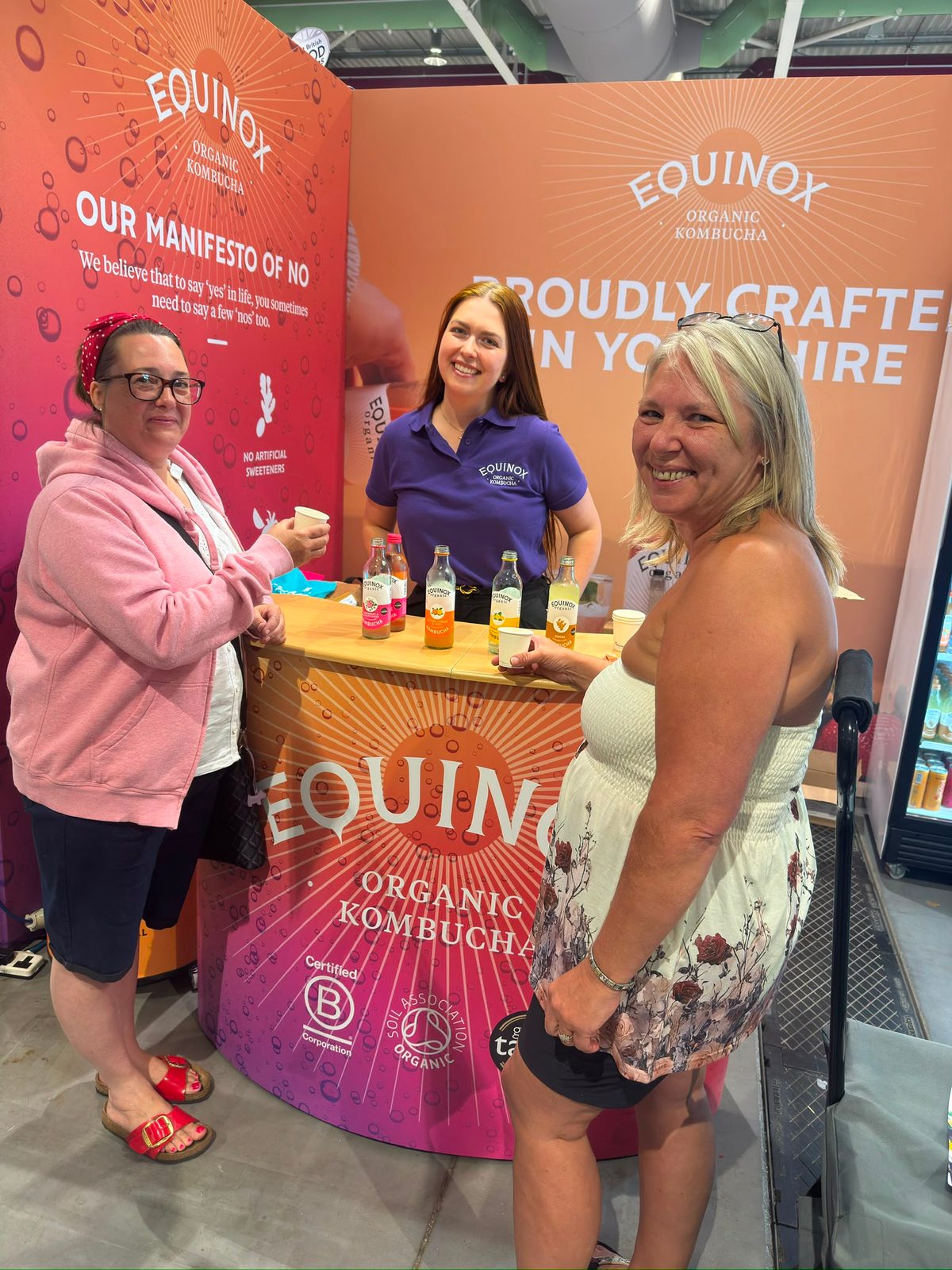
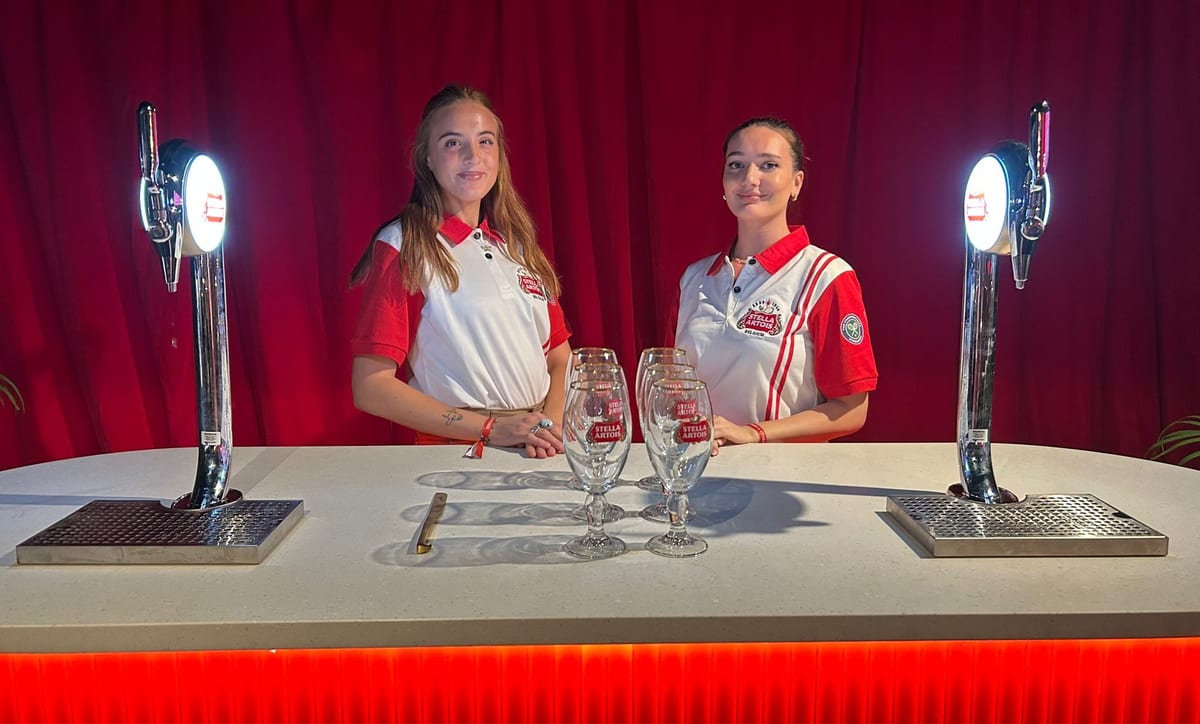
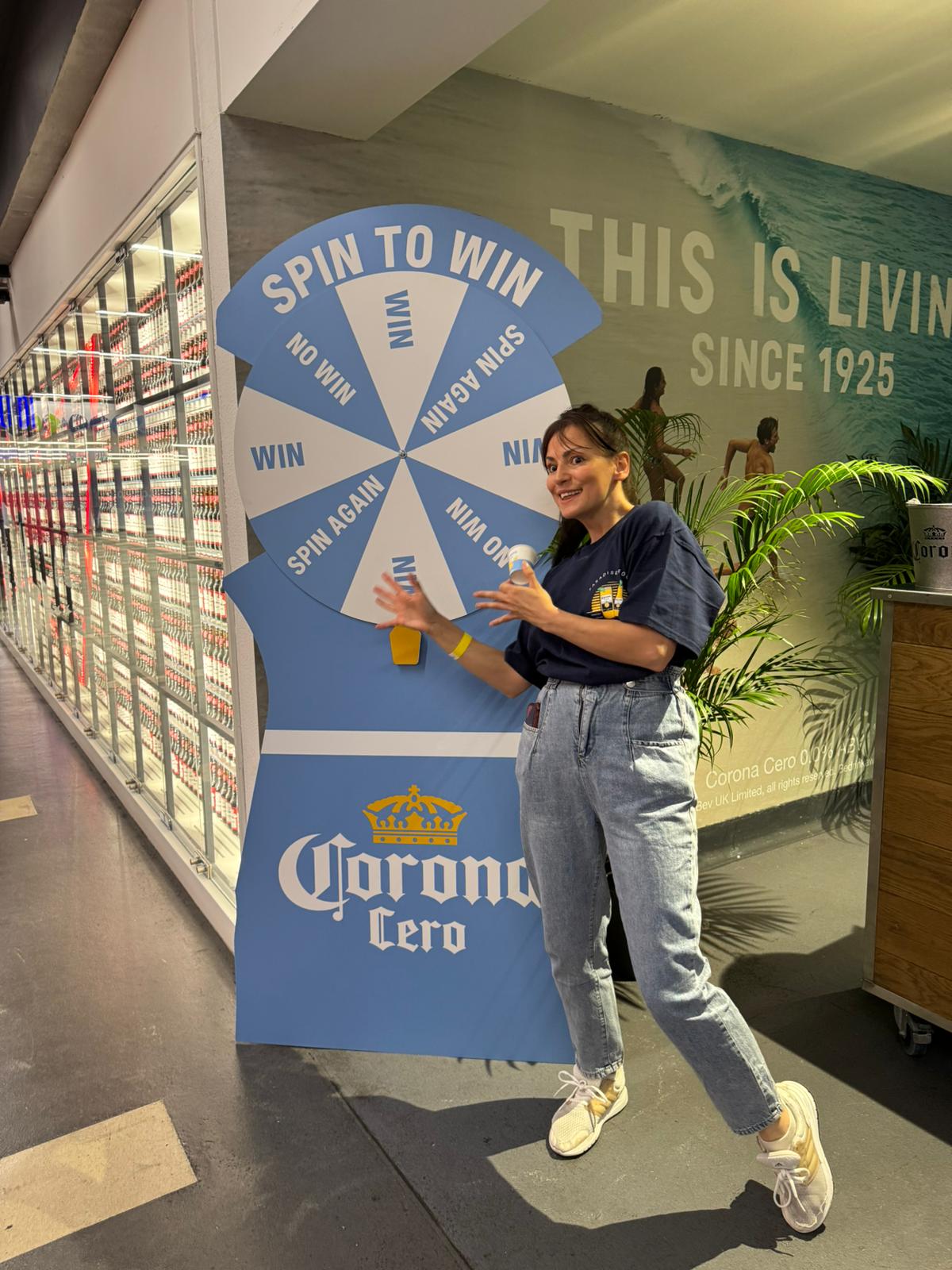
Beyond stores, promotional models work at product launches, motor and lifestyle shows, exhibitions, awards evenings, sports events and bar promotions.
Product launches
Motor and lifestyle shows
Exhibitions
Awards evenings
Sports events
Bar promotions
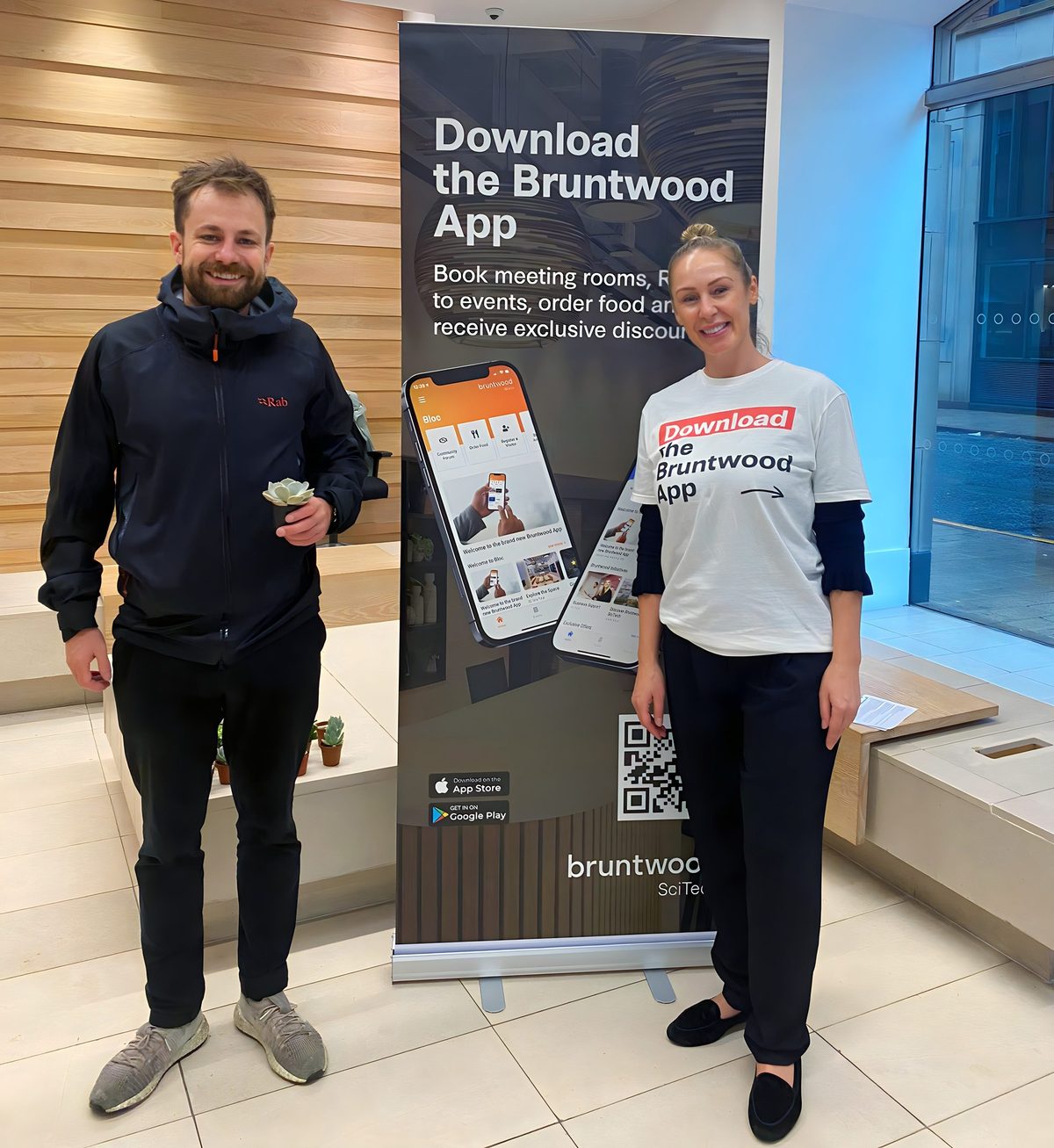
At an exhibition they might welcome visitors and pass qualified leads to the sales team.
At a launch, greet guests and guide them to the product; at a sports event, run a sponsor's activity in the fan zone.
Drinks promotions need extra care: keep uniforms, scripts and activities responsible, and never link the drink with looks or attraction.
Agree uniforms, scripts and mechanics with the brand and the venue before the event.
05Step 5 of 7
What drives the cost of the role
There is no single price, because every booking is built from the same set of factors.
Hours
Headcount
Days and locations
Skills and checks
Distance
Briefing and training
Notice
The length of each shift, including set-up and pack-down time.
How many people, and whether a team leader is needed.
One store for a Saturday is planned very differently from forty stores over a month.
Product demonstration experience, food hygiene, age verification or DBS checks.
Costs rise when stores are far from where suitable staff live. Briefing and training is time spent learning the product before the first shift. Short-notice bookings limit the choice of staff.
Store fees, stock, uniforms and display material are separate. Ask for an itemised quote so you can see what each element contributes and adjust the plan to fit your budget.
Key pointThe quickest way to manage cost is to put people where and when stores are at their peak, rather than cutting the briefing.
06Step 6 of 7
Selecting and briefing a team
Tell your agency what the role involves: the setting, the product, the audience, the hours on your feet and any experience that would help.
Profiles with recent work history are more useful than photos alone. If continuity matters, ask for the same people across the campaign and for backups trained on the product.
The brief should cover the product story, the offer, likely questions, what to record and practical details such as uniform, arrival time and the store contact. Share it in advance and walk through it before the first shift.
A promotional model who can answer a detailed question without hesitating is worth far more to the brand than one who can only smile and hand over a leaflet.
07Step 7 of 7
Respect and welfare on shift
Long hours standing in a busy space are tiring, so plan proper breaks, somewhere to rest and access to water.
Proper breaks
Somewhere to rest
Water
Practical uniform
Named manager
Uniforms should be practical and appropriate for the setting and the weather, and agreed with the team in advance.
Make sure every team member has a named manager they can call during the shift.
Brief every team member on how to report anything inappropriate from the public or anyone else, and make sure the brand and venue back them when they do.
A team that feels safe and respected does better work.
Checklist
Before the booking.
0/5
Ready to book.
At a glance
The booking in five stages.
Each stage of hiring promotional models, what it aims for and one tip.
In most promotional roles, no, and it rarely helps. Choose staff on what the role requires: the best person for the role is the one who engages people well.
What is the difference between a promotional model and a brand ambassador?
The two overlap. Promotional models are booked mainly for presence and drawing attention; brand ambassadors for in-depth conversations about the product. Many campaigns use people who do both.
Do promotional models need retail experience?
It helps for in-store work, because store routines, sign-in and working around shoppers come naturally. Include it in your brief if it matters to you, along with any product category experience.
How far ahead should we book?
As early as your store dates are confirmed. Multi-store and peak-season bookings benefit most from notice, which leaves time to select the right people and train them on the product.
We select promotional models on experience and fit for your product, brief them in writing, offer product training and manage every shift live, with right to work checks, insurance and PAYE handled in-house. See our promotional models page for how we work.