What is an in-store demonstrator? A guide to product demonstration.
What an in-store demonstrator does, why brands put a person beside the product, and how to plan a demo day that sells.
5 min read7 steps6 checks
“
Demonstration earns its place when the product needs showing, not just tasting or seeing on a shelf.The one thing to remember
Start
Start here
A person beside the product.
What a demonstrator does, why brands book them and how to plan and measure a demo day. Follow the line; tap any point to read it.
01Step 1 of 7
What an in-store demonstrator does
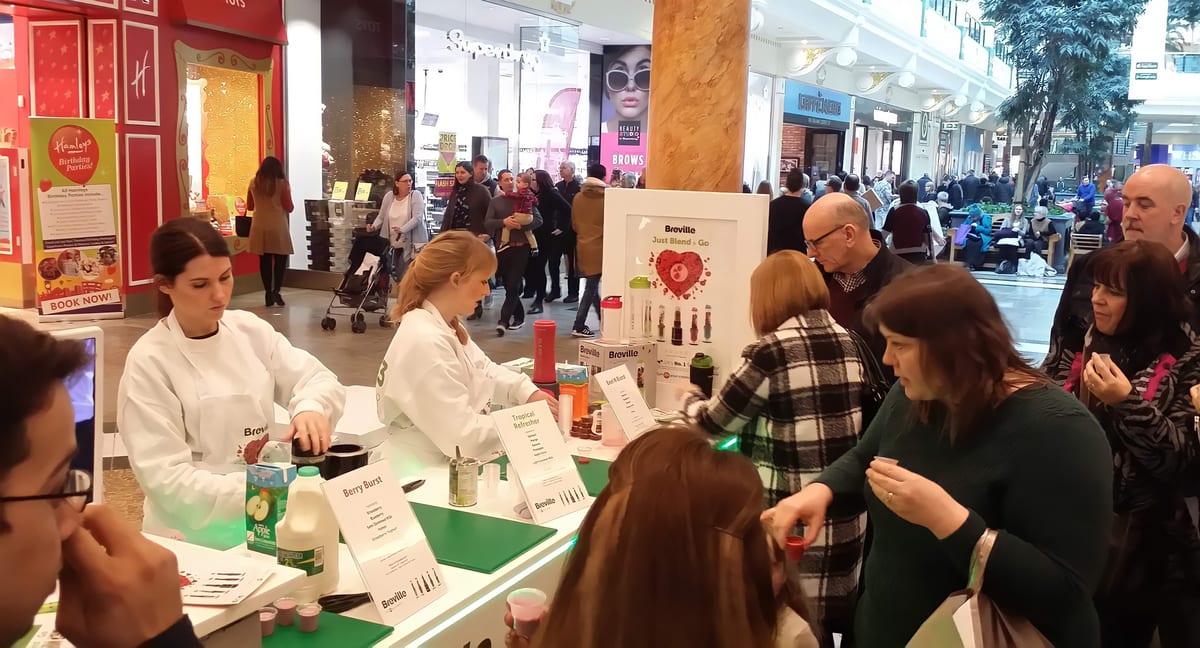
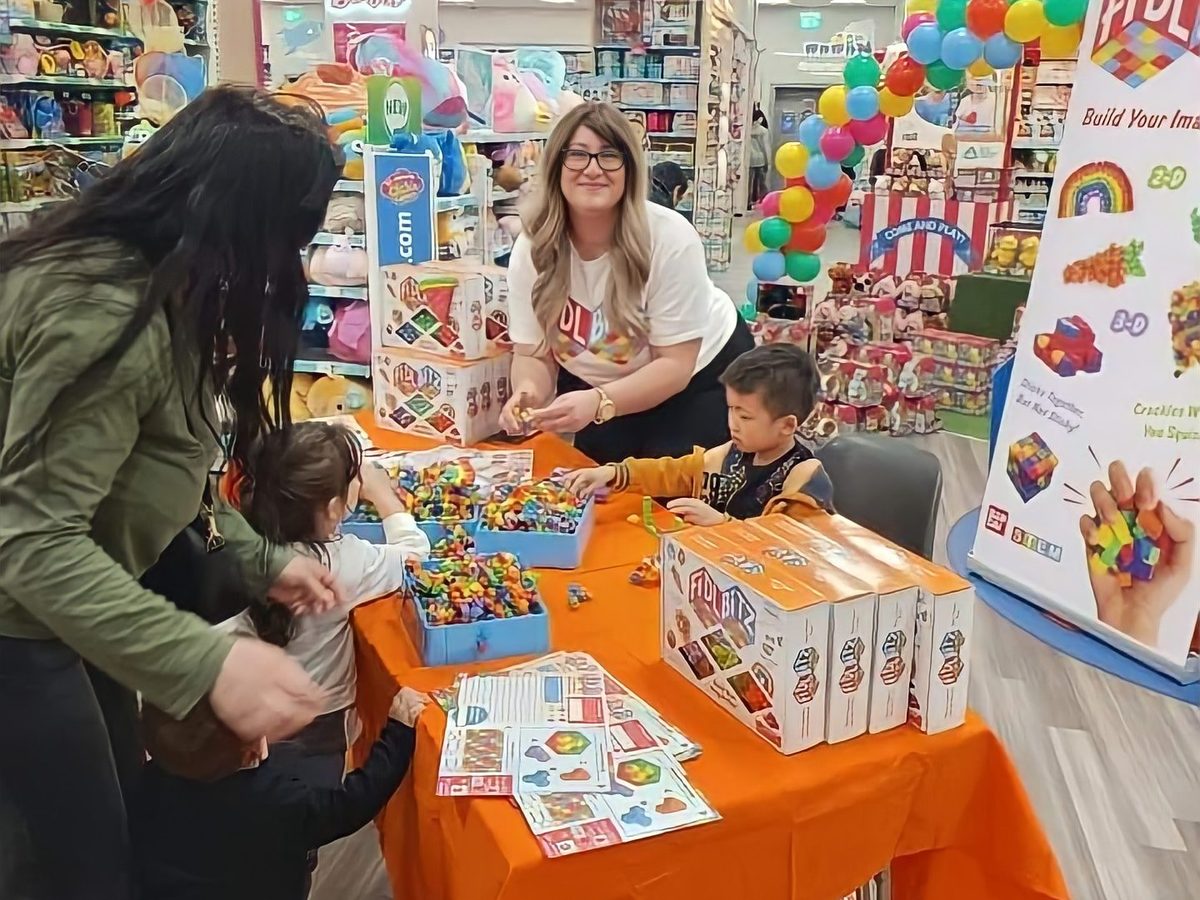
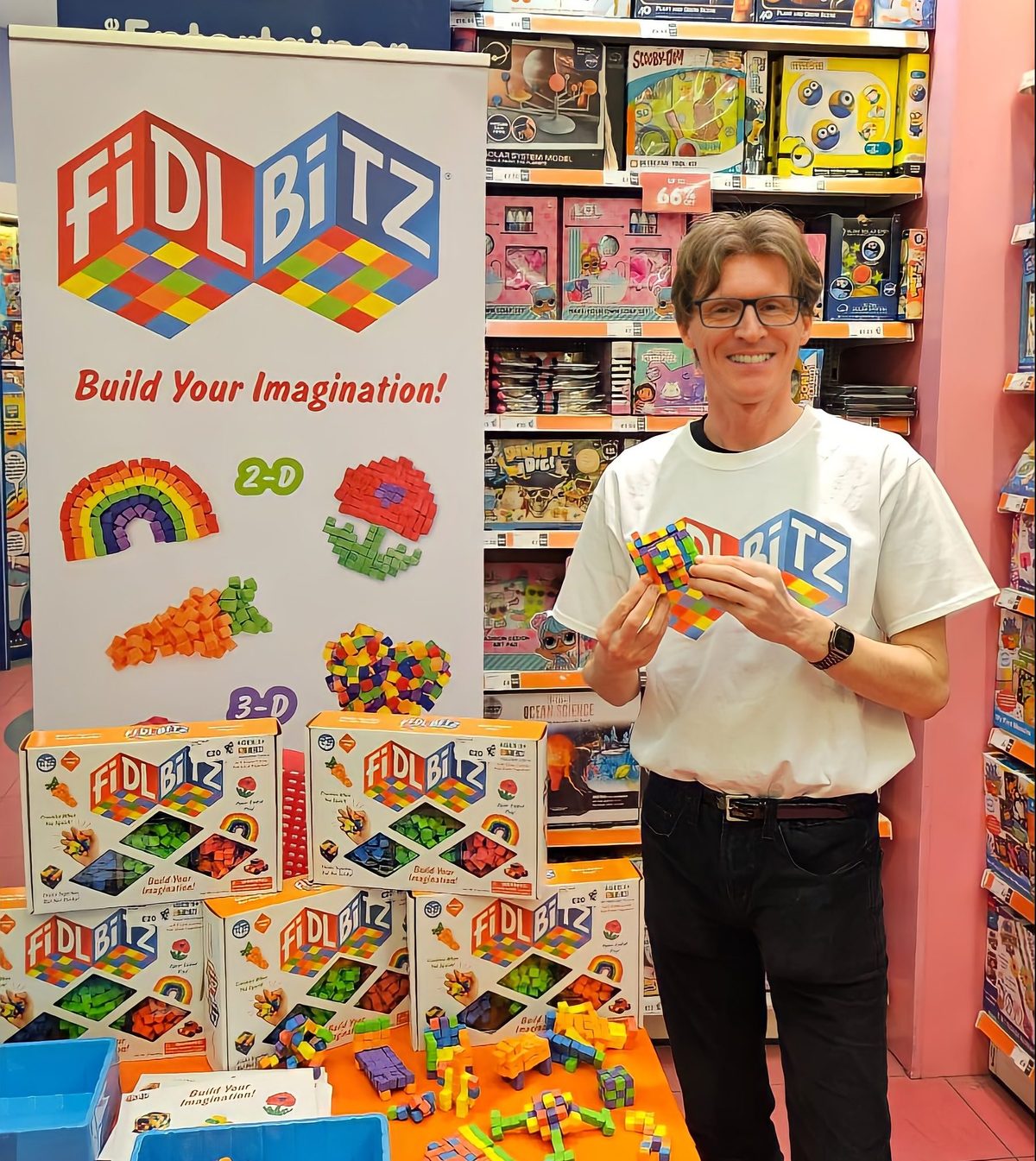
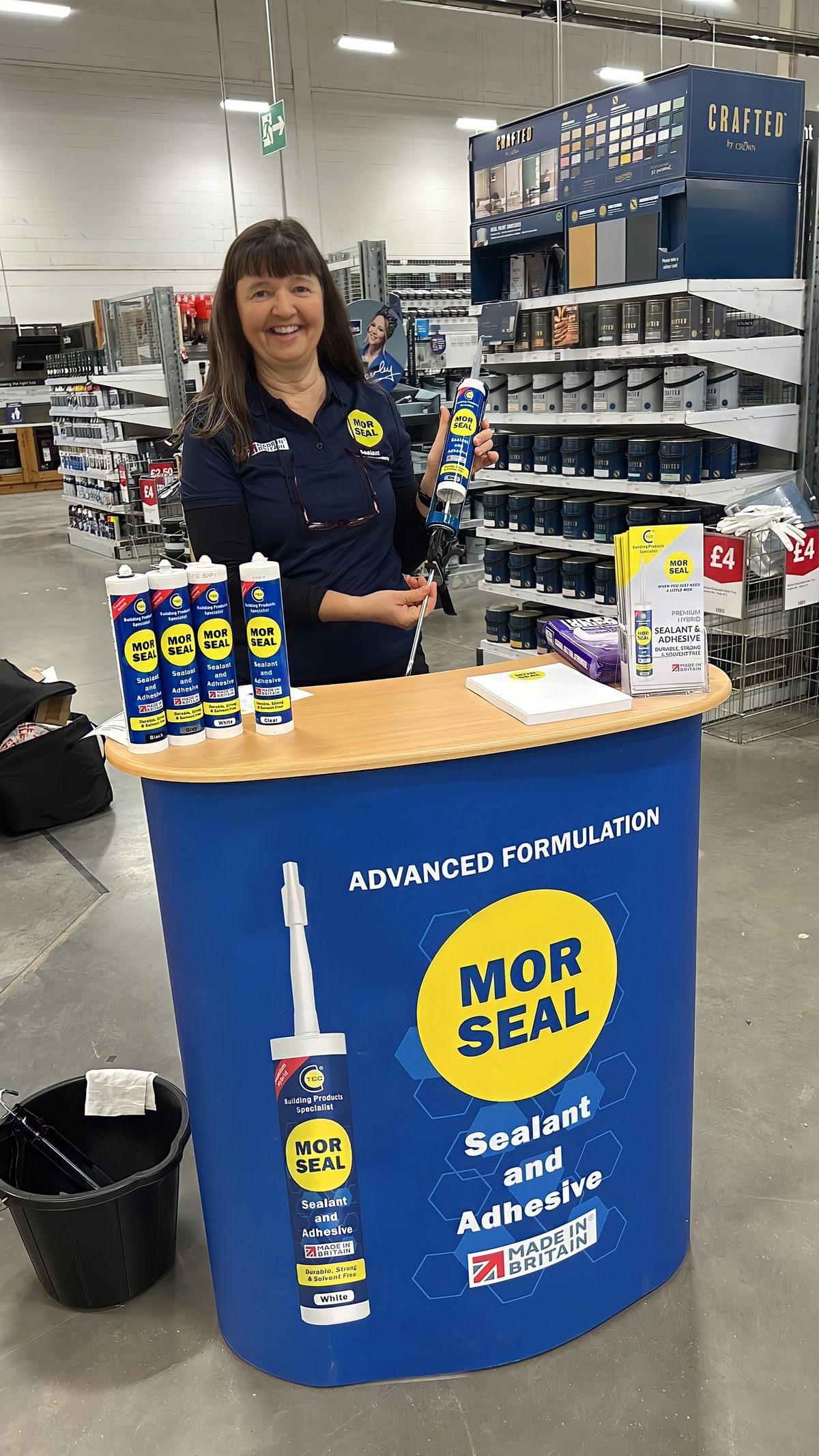
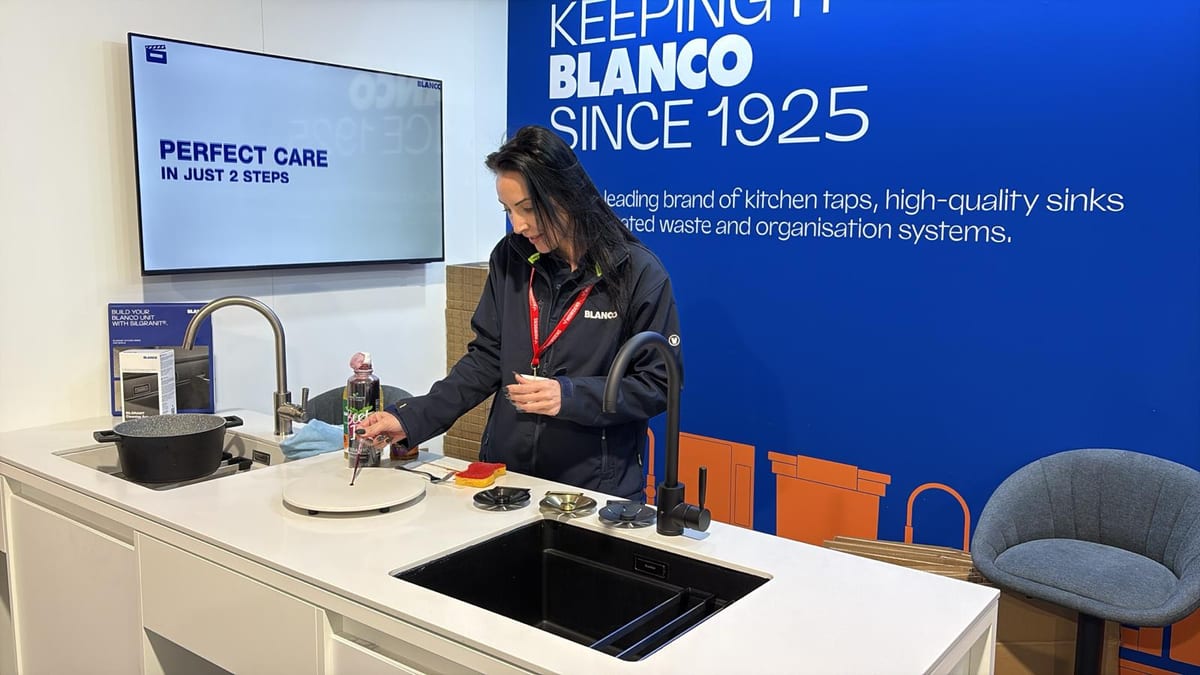
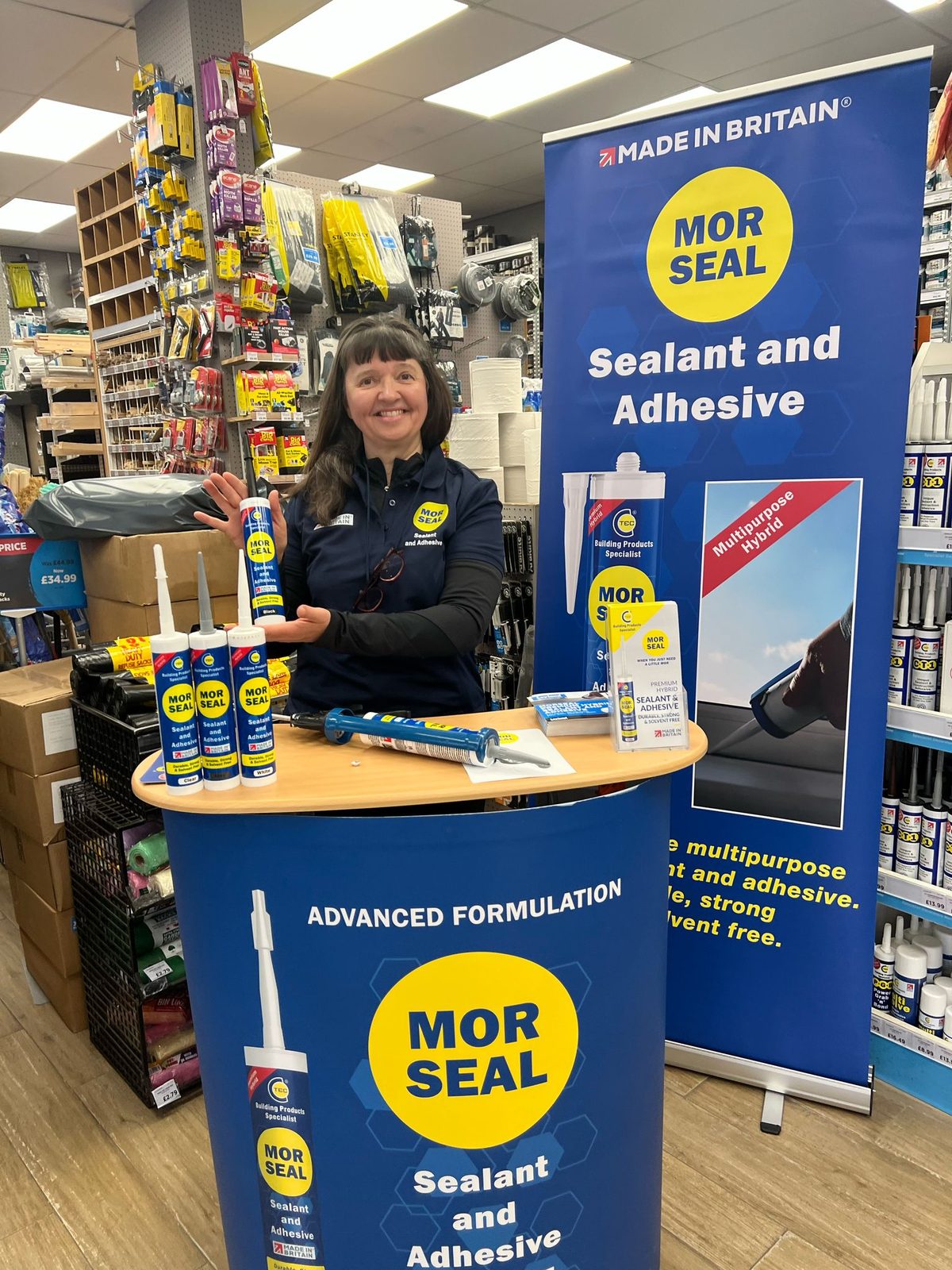
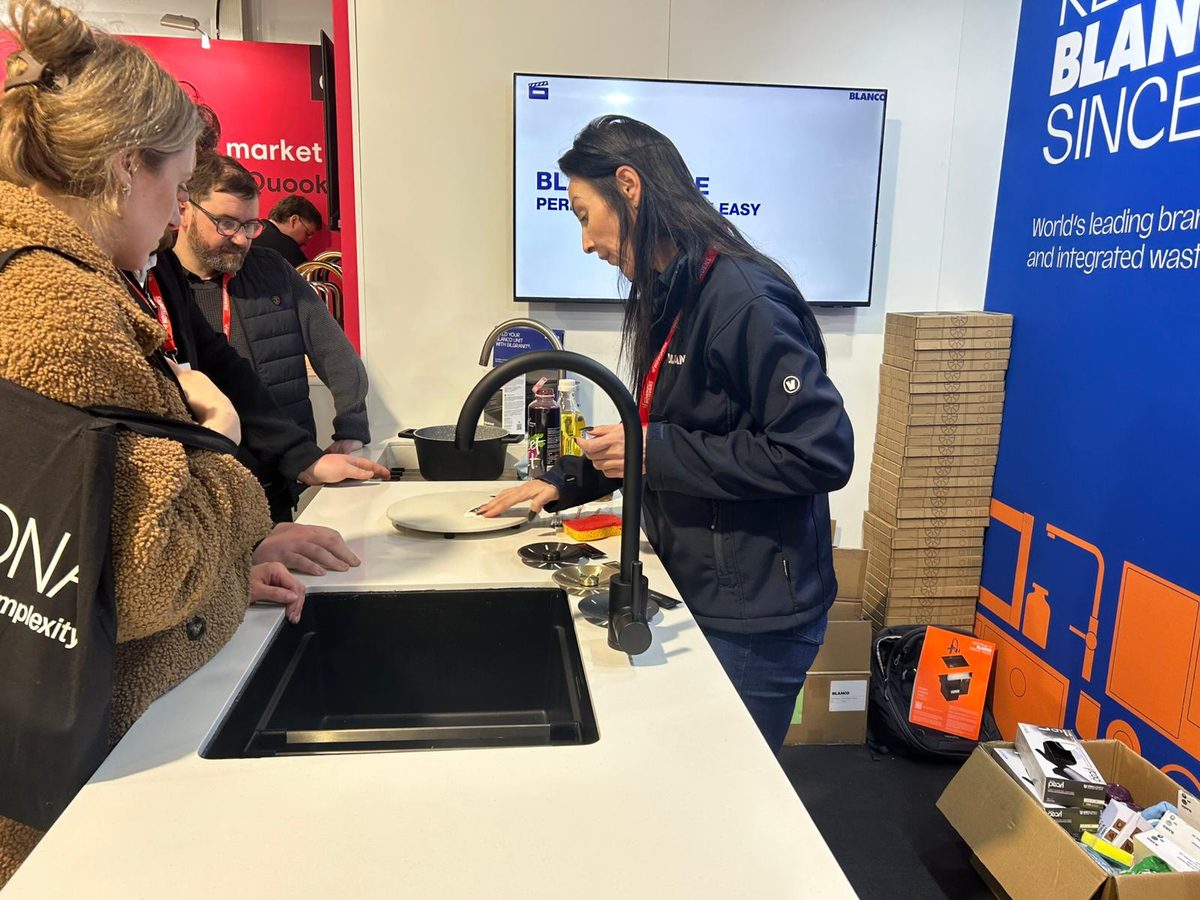
An in-store demonstrator is a person who shows a product working in front of shoppers, in the store where they can buy it.
Kitchen appliances
Cleaning products
Gadgets
Games
Beauty tools
Garden equipment
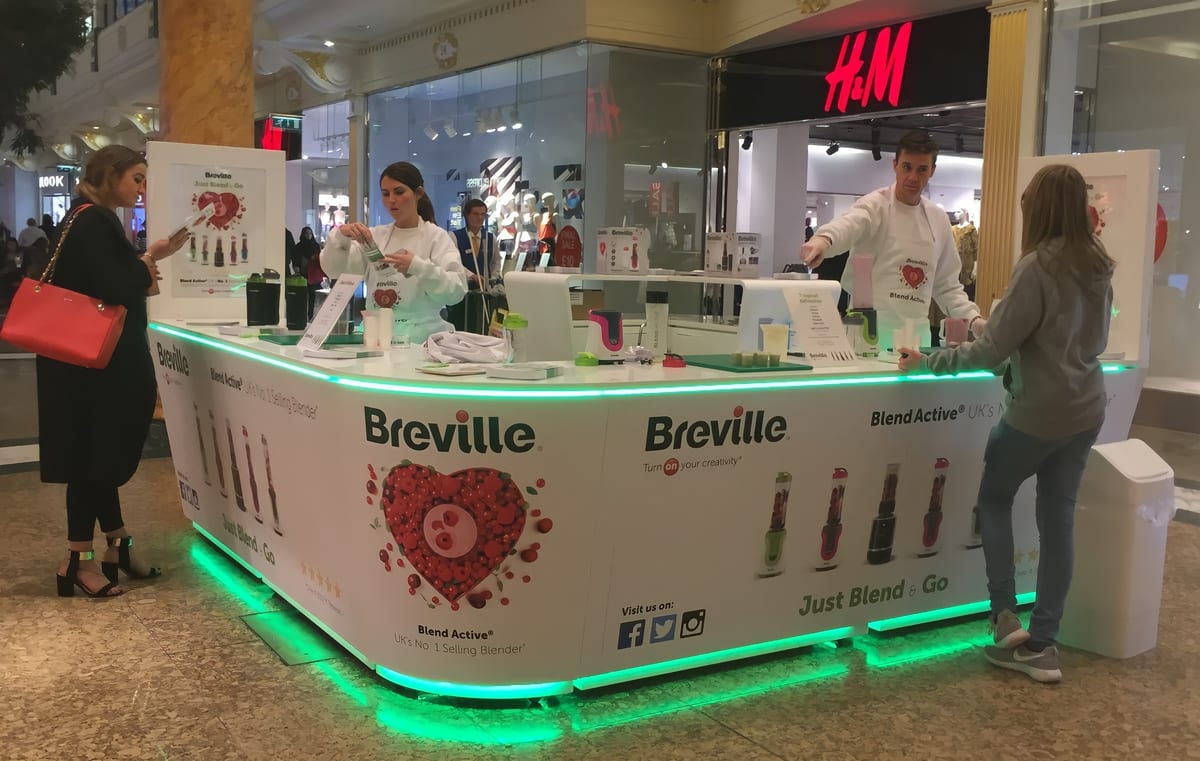
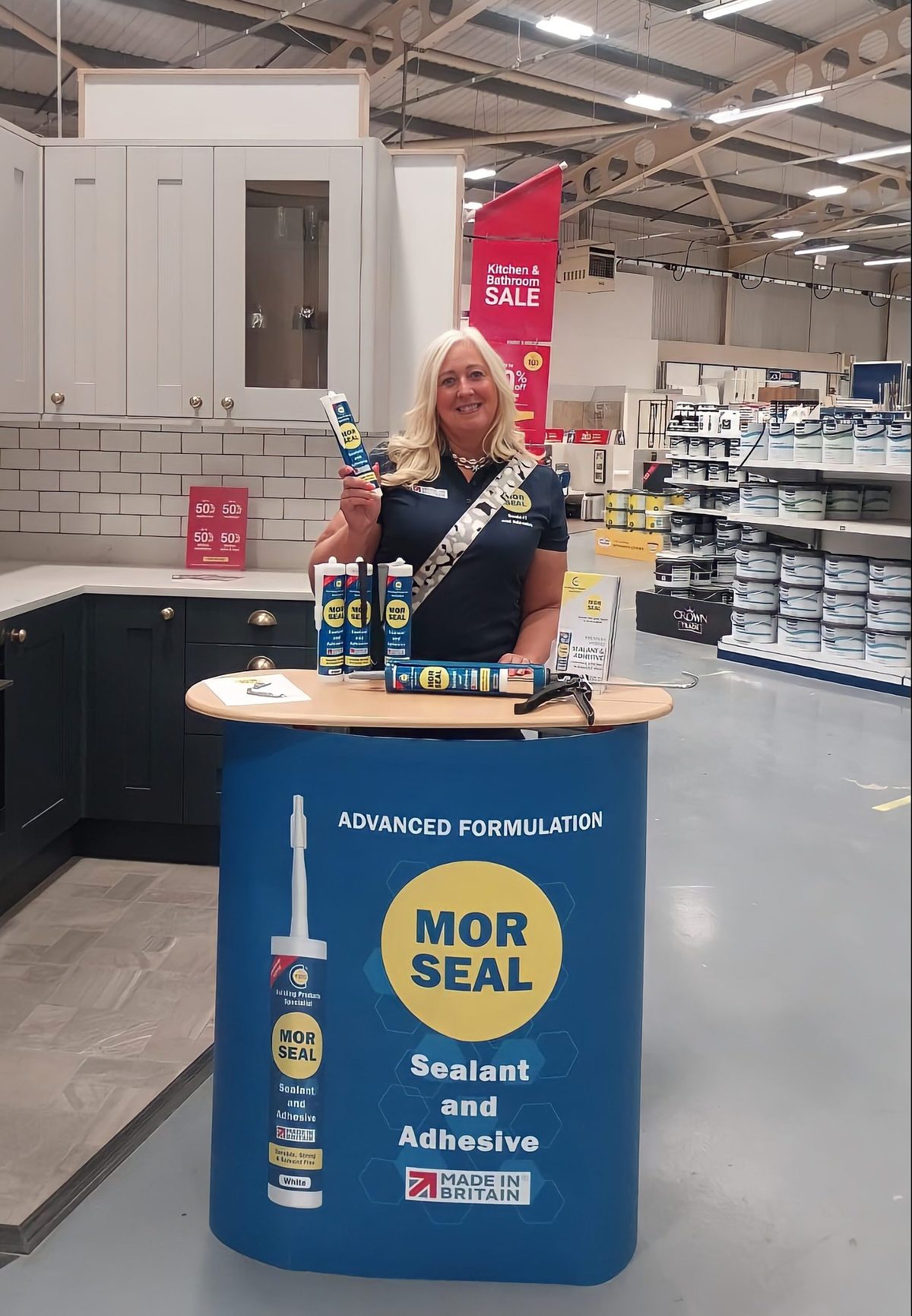
They set up a small demonstration point, invite people over, show what the product does, answer questions and point interested shoppers to the shelf or the till.
Demonstrators are booked for products that are easier to understand when you see them in use: kitchen appliances, cleaning products, gadgets, games, beauty tools, garden equipment.
A product demonstrator differs from a sampler in one way: sampling lets people taste or try, while demonstration shows how something works and what it achieves. Many food demonstrations do both.
Key pointDemonstration earns its place when the product needs showing, not just tasting or seeing on a shelf.
02Step 2 of 7
What is product demonstration, and where it happens
Product demonstration is the planned activity around those demonstrators: which stores, which days, what the demonstration covers, how it is set up and how results are measured.
Supermarkets
Department stores
Electrical retailers
DIY stores
Warehouse clubs
Shows
It can be a single launch weekend or a rolling programme across a retail chain.
Supermarkets, department stores, electrical retailers, DIY stores and warehouse clubs are the usual homes, along with shopping centre spaces.
Outside retail, the same skills are used at consumer shows and trade exhibitions, where visitors expect to see products working before they buy or order.
03Step 3 of 7
Why demonstrating a product in store works
A demonstration answers the shopper's unspoken questions on the spot: does it really work, is it easy, is it worth the money.
Does it work?
Is it easy?
Is it worth it?
Seeing a result in front of them is more convincing than any claim on a box.
It also lets a brand explain features that packaging can't. A demonstrator can show the setting most people miss, the attachment that makes the difference or the right way to use the product, which can also reduce returns from people who used it wrongly.
There is value beyond the sale. Demonstrators hear what shoppers ask, what puts them off and what competitors they compare against, and a good report passes that back to the brand.
A well-run demonstration also shows the retailer that the brand is supporting its listing in store.
04Step 4 of 7
What makes a good demonstrator
Confidence with strangers comes first.
2minute show, the same energy every time
A demonstrator has to start conversations with people who didn't come to the store to talk to anyone, and do it warmly enough that they stay.
Next is a demonstration that is short, repeatable and clear. The best demonstrators can run the same two-minute show for the fortieth time with the same energy, and adjust it on the spot for a shopper who wants more detail or less.
Honesty matters. Shoppers trust a demonstrator who says what the product won't do as readily as what it will.
Add careful handling of kit, a clean and tidy demonstration point, and a sense of when to suggest a purchase without pushing, and you have someone a store is happy to welcome back.
Key pointAsk to hear the demonstration before the first shift. If it isn't clear to you, it won't be clear to shoppers.
05Step 5 of 7
Training and preparation
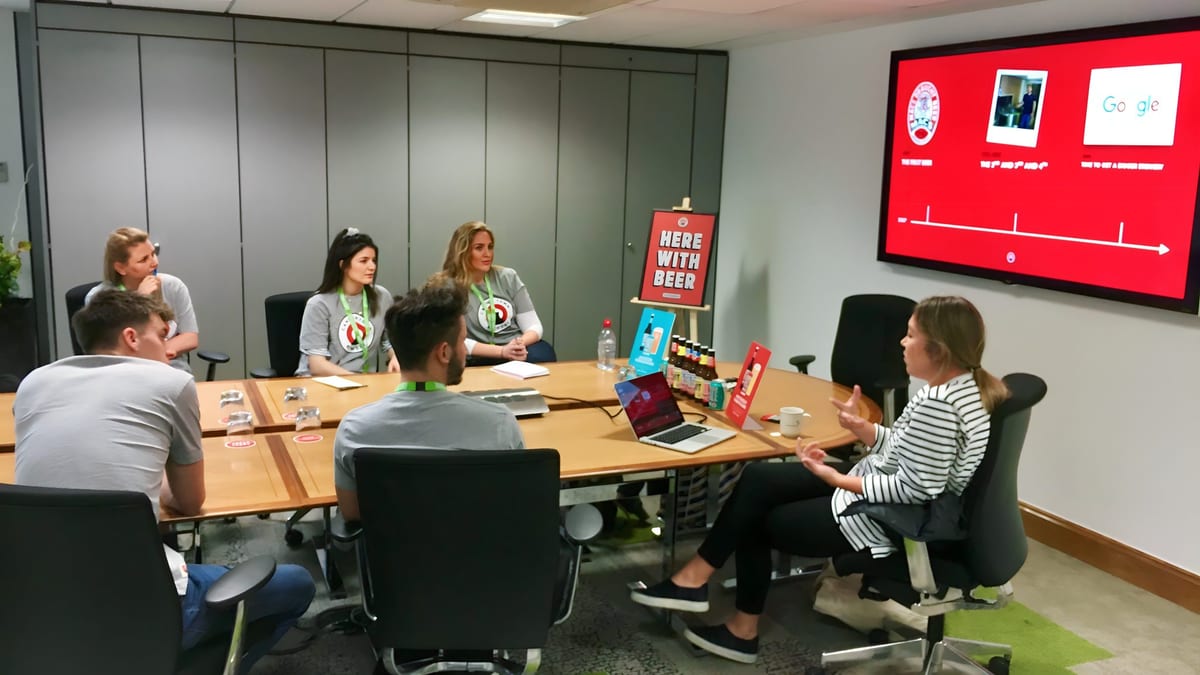
Demonstrators learn the product before they show it.
Key messages
The demonstration
Common questions
Claims to avoid
A written briefing covers the key messages, the demonstration itself, common questions with agreed answers and any claims they must not make.
For technical products, a product training session with the brand gives demonstrators the confidence to handle difficult questions.
Food and drink demonstrations add hygiene requirements, and some products need specific safety steps. Demonstrators should hold the right certificates where needed, and the brand's own instructions for the product always take priority.
06Step 6 of 7
Planning a demo day in store
Most retailers require demonstrations to be booked and approved in advance, often through the brand's account team.
The product
Consumables
Table or stand
Cleaning materials
Point of sale
Agree the date, the position in store, the times and any rules about power, water, heat or noise.
Stock is the detail that most often goes wrong. A demonstration can lift interest sharply, so make sure the store has enough product on the shelf and in the backroom, and that it sits close to the demonstration point.
Plan the kit list: the product, consumables, a table or stand if the store doesn't provide one, cleaning materials and point of sale, all supplied by the brand.
Choose the peak trading days where you can, and let the store manager know who is coming and when.
07Step 7 of 7
Measuring a demonstration
Compare unit sales on demonstration days with the same days in previous weeks, in the same stores, and with similar stores that had no demonstration.
Unit sales
Conversations
Questions
Stock problems
Store feedback
Ask demonstrators to record the number of conversations, the questions they heard and any stock problems.
Over a programme, this shows which stores, days and demonstration styles work best, so the next round of bookings goes where it earns most.
Store feedback is worth collecting too. A manager who saw shoppers gather round the demonstration point, and the shelf empty by mid-afternoon, is more likely to welcome the next booking and to keep the product in a good position.
Checklist
Before the demo day.
0/6
Ready to demonstrate.
At a glance
A demonstration, stage by stage.
The aim at each stage of a demonstration, with one tip for each.
Questions brands ask about demonstrating in store.
Short answers for brands and agencies planning in-store demonstrations.
What is the difference between a demonstrator and a promoter?
A demonstrator shows a product working and answers questions about it. A promoter often focuses on awareness, offers or sign-ups. The roles overlap, and one person can do both when the brief calls for it.
Who supplies the demonstration kit?
The brand supplies the product, consumables, any display or stand and point of sale. The demonstrator sets it up, runs it, keeps it clean and packs it away.
Do demonstrators take payment?
In most cases, no. They guide interested shoppers to the shelf or the till, and the store handles the sale. Any exception is agreed with the retailer in advance.
Can one demonstrator cover several stores?
Yes, across different days. A rolling programme often uses the same small team so the demonstration stays consistent from store to store.
Can demonstrators work with food?
Yes, with hygiene certification where required and the brand's own preparation instructions. Food demonstrations are often combined with sampling.
We supply product demonstrators for stores, shopping centres and shows across the UK: briefed on your product, trained with you where needed and managed through every shift, with a report after each day. You supply the product and kit; we supply the people.