What is guerrilla marketing? Street marketing explained.
Where guerrilla marketing came from, how it relates to street marketing, examples worth knowing, and how to plan a street team that stays on the right side of the rules.
7 min read8 steps5 checks
“
Decide early whether you need the unexpected or simply presence. The answer changes the budget, the permissions and the team.The one thing to remember
Start
Start here
From the idea to the street.
From what guerrilla marketing means to measuring street work. Follow the line; tap any point to read it.
01Step 1 of 8
The meaning of guerrilla marketing
What is guerrilla marketing? It is marketing that uses the unexpected, imagination and unconventional placement to get noticed, often in public spaces and often on a smaller budget than traditional media.
The unexpected
Imagination
Unconventional placement
Public spaces
The term comes from Jay Conrad Levinson's book Guerrilla Marketing, written for small businesses that couldn't outspend their competitors and had to outthink them instead.
Today the guerrilla marketing meaning is broader. Global brands use guerrilla tactics too, because an unexpected moment in a real place can spread further online than a paid advert.
What still defines the approach is the unexpected: people encounter the brand where they weren't expecting it.
02Step 2 of 8
Guerrilla and street marketing: the difference
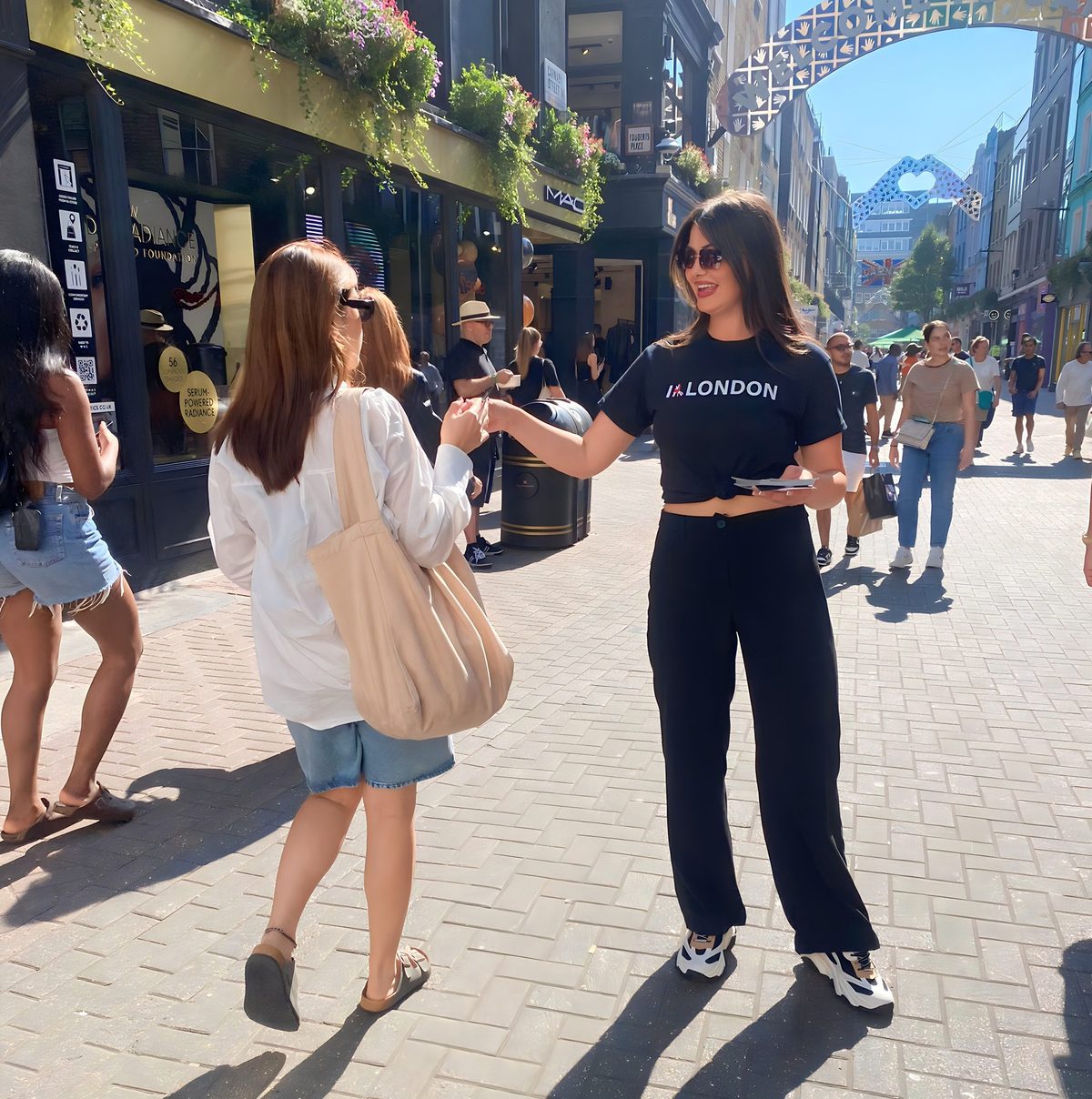
Street marketing is the wider practice of promoting a brand face to face in public places: on high streets, outside stations, around stadiums, at universities and in shopping districts.
High streets
Stations
Stadiums
Universities
Shopping districts
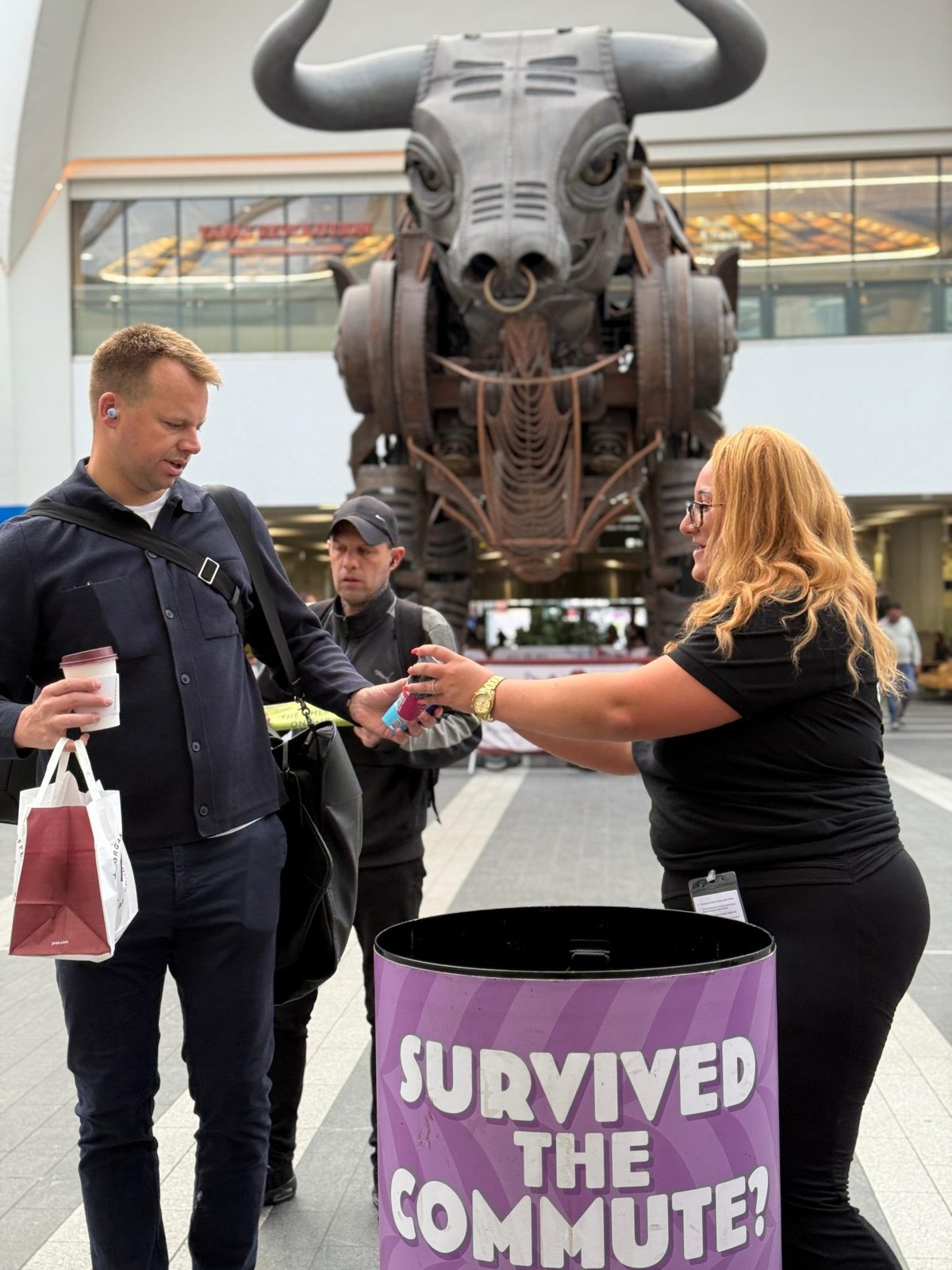
Much of it is not unexpected at all, and doesn't need to be. A well-placed team handing out samples to commuters is street marketing working exactly as intended.
Guerrilla marketing is the unconventional edge of that practice. Every guerrilla stunt that happens outdoors is street marketing, but not all street marketing is guerrilla.
The distinction matters for planning: a stunt needs a strong idea and careful risk checks, while everyday street work needs good pitches, good timing and a reliable team.
Key pointDecide early whether you need the unexpected or simply presence. The answer changes the budget, the permissions and the team.
03Step 3 of 8
The main formats for a campaign on the street
Street marketing takes several forms, from a team on a pitch to a staged moment.
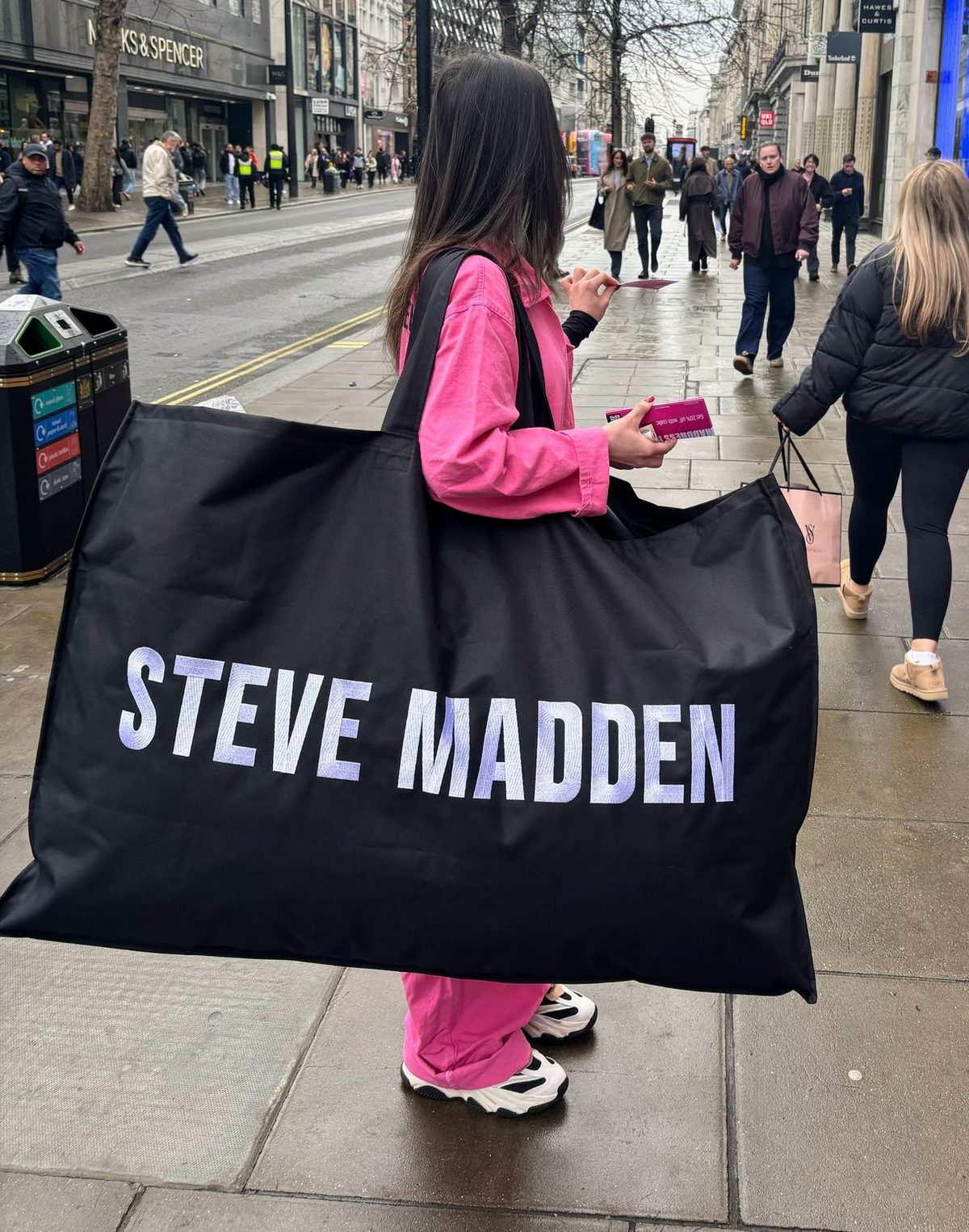
Flyering
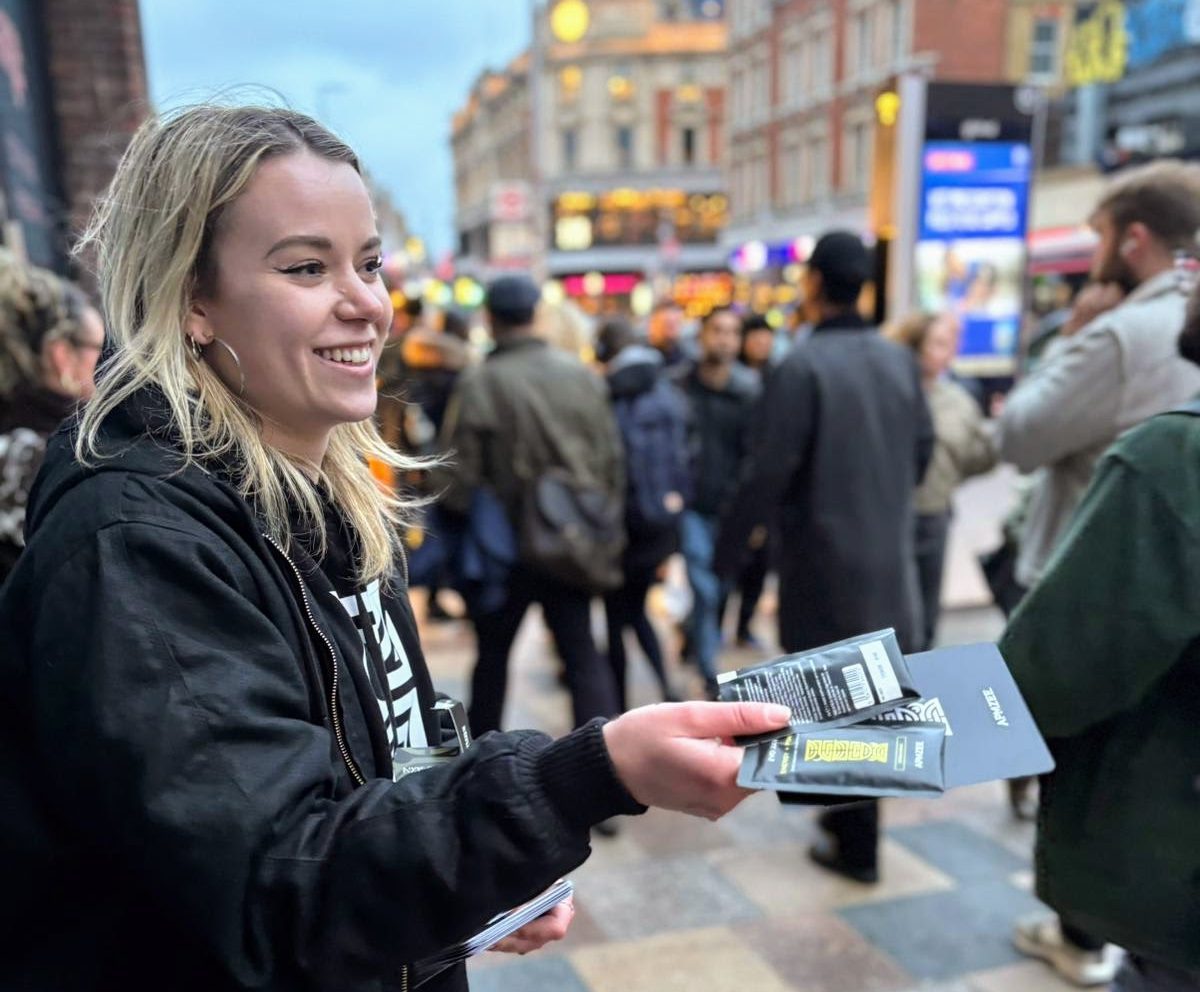
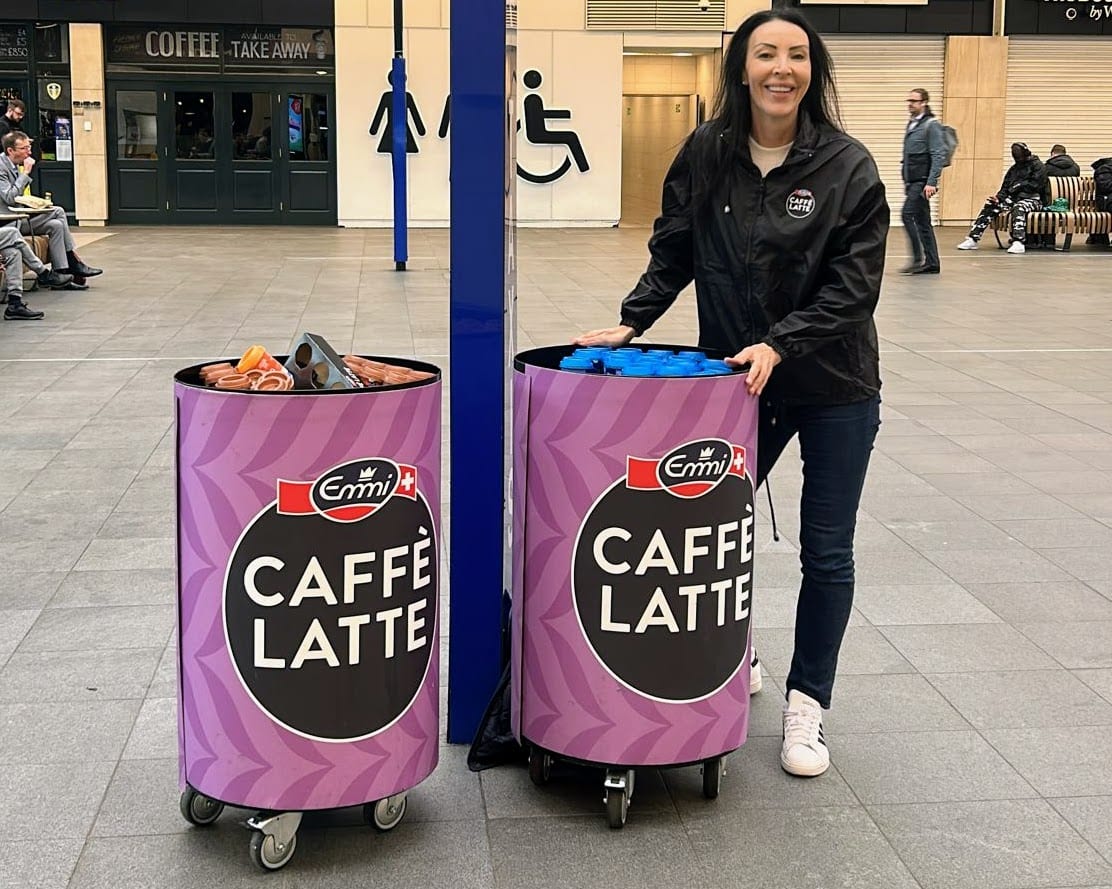
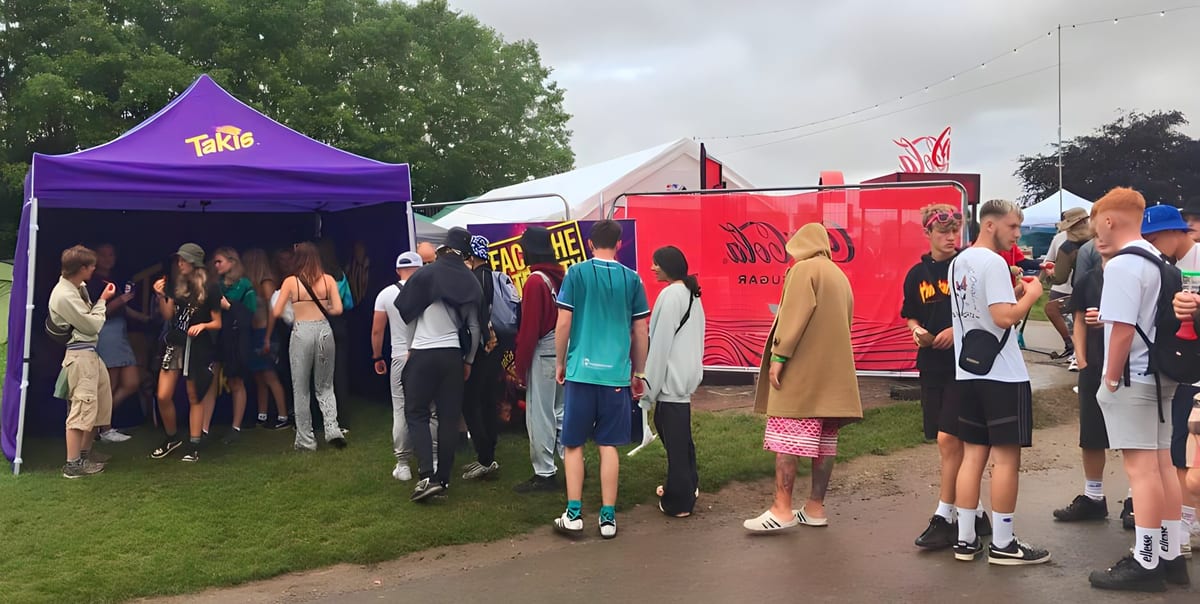
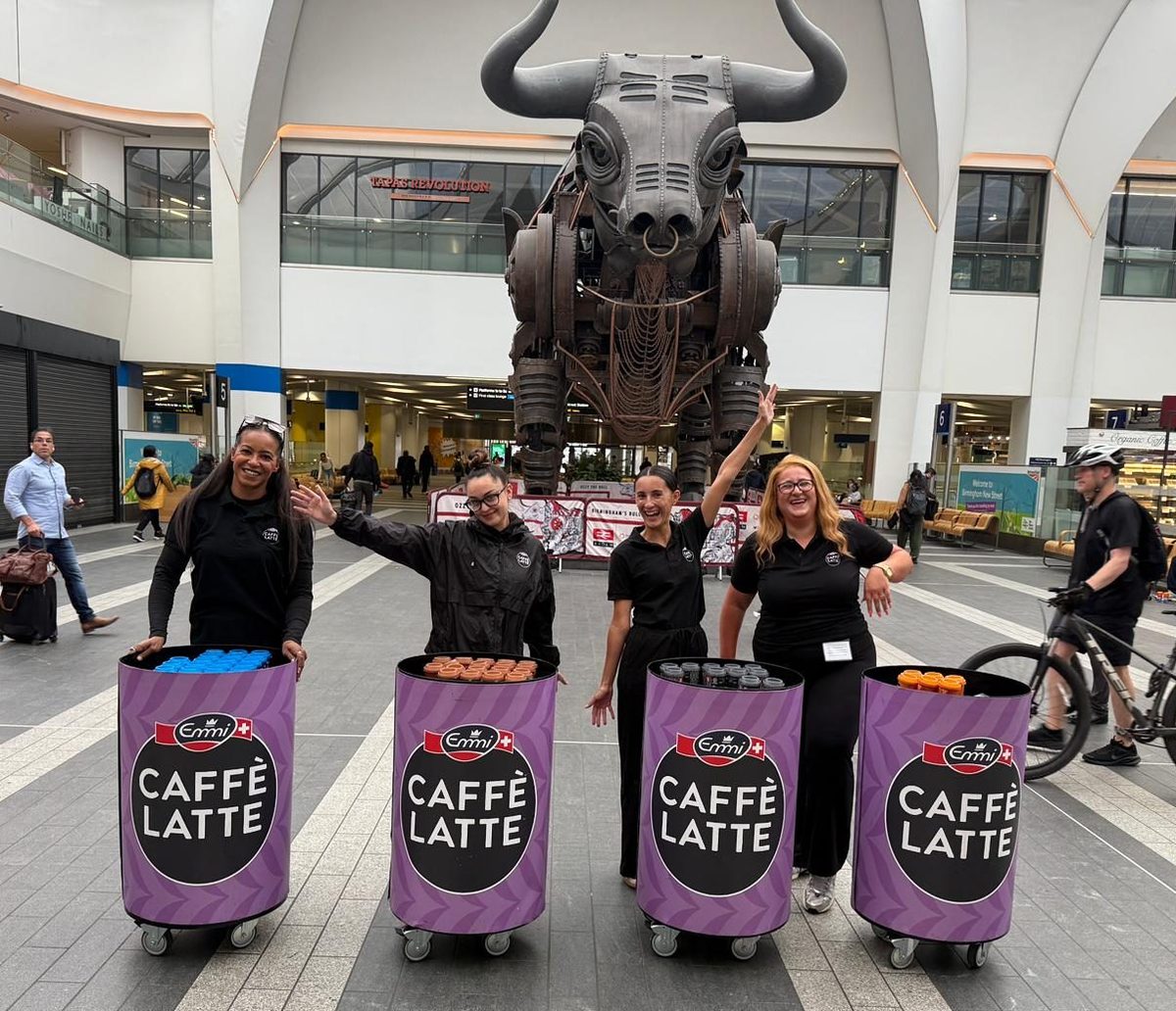
Sampling
Walkabouts
Ambient media
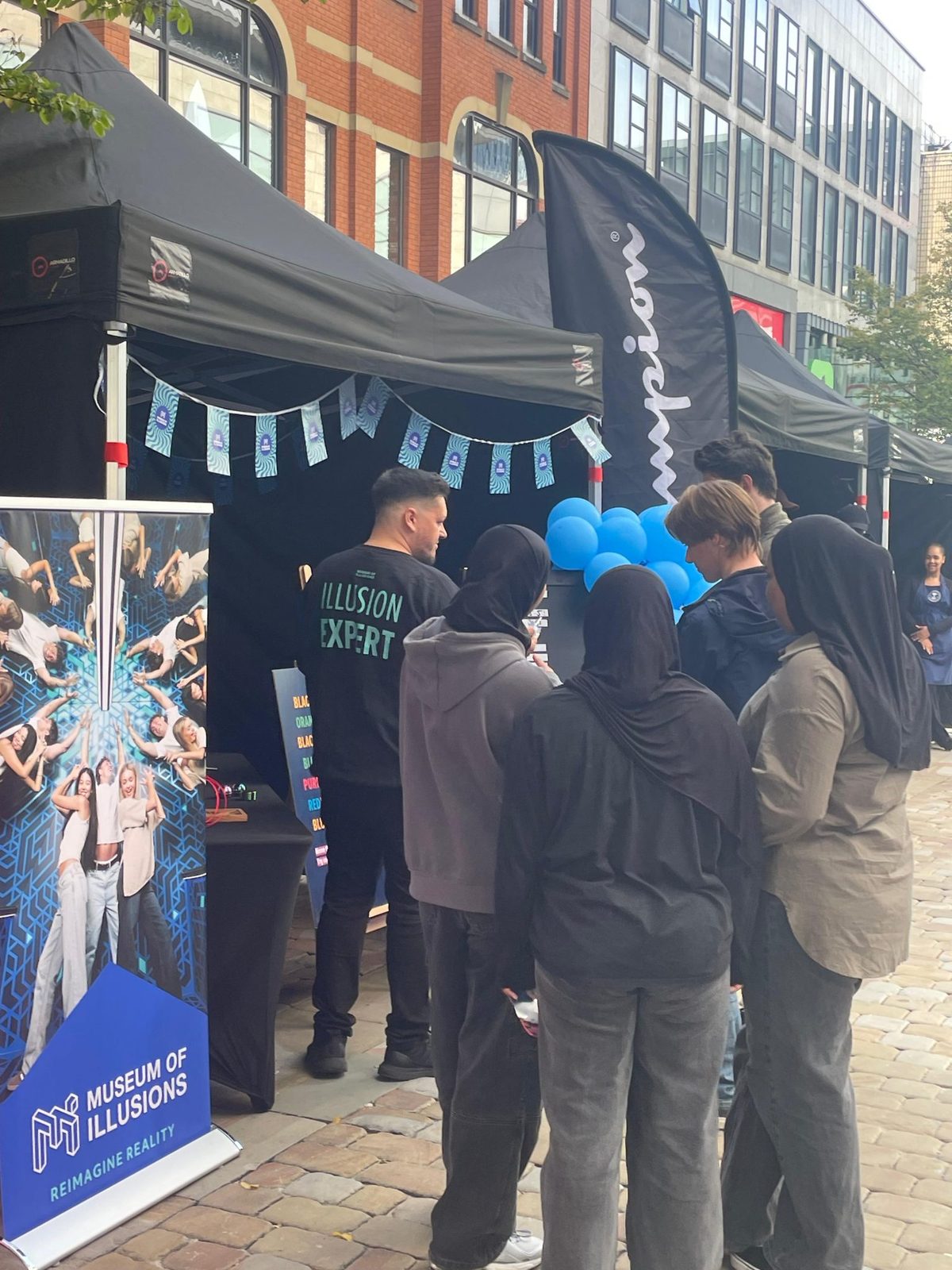
Stunts
Projections
Branded transport
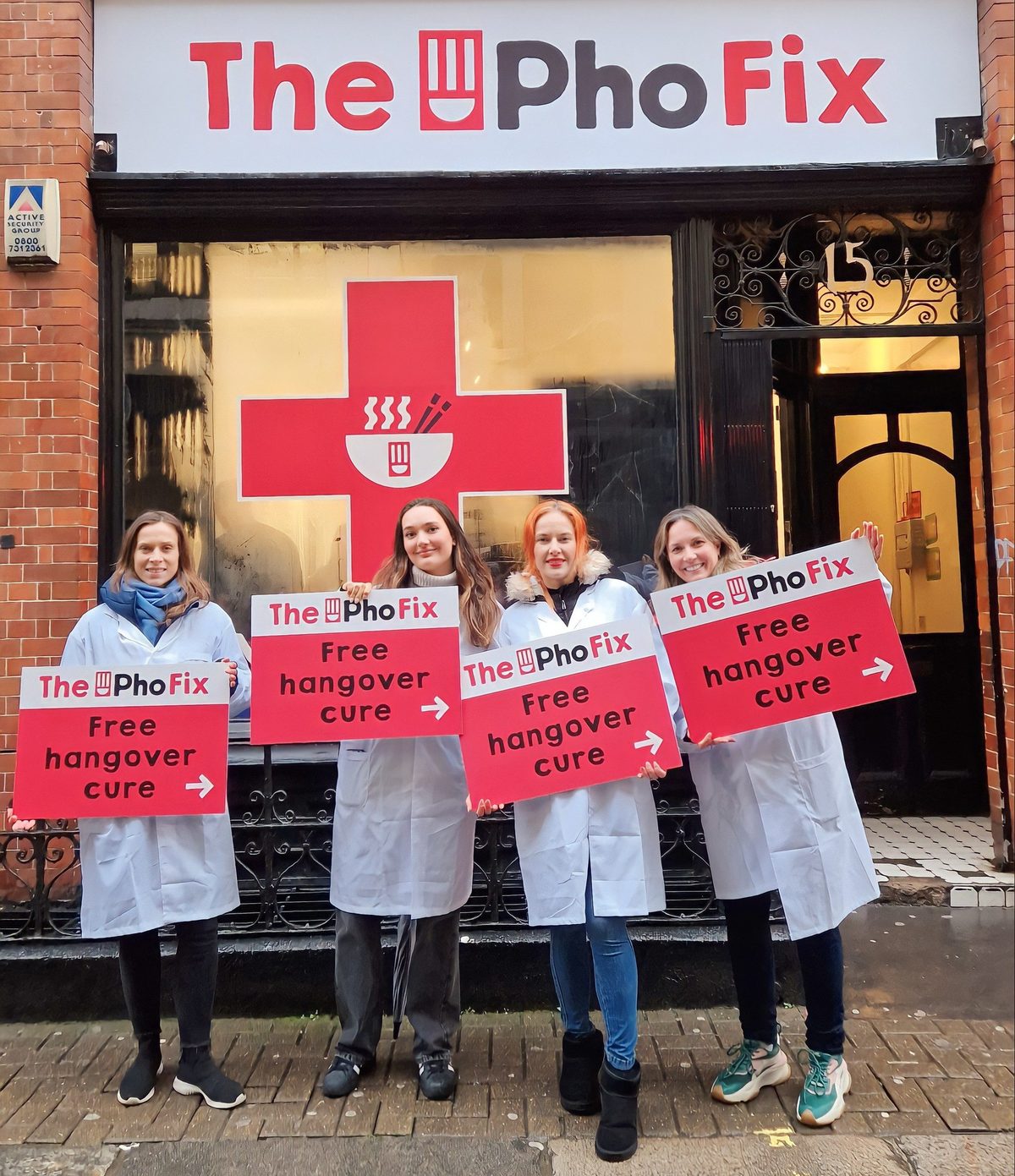
People handing out leaflets, vouchers or invitations on a chosen pitch.
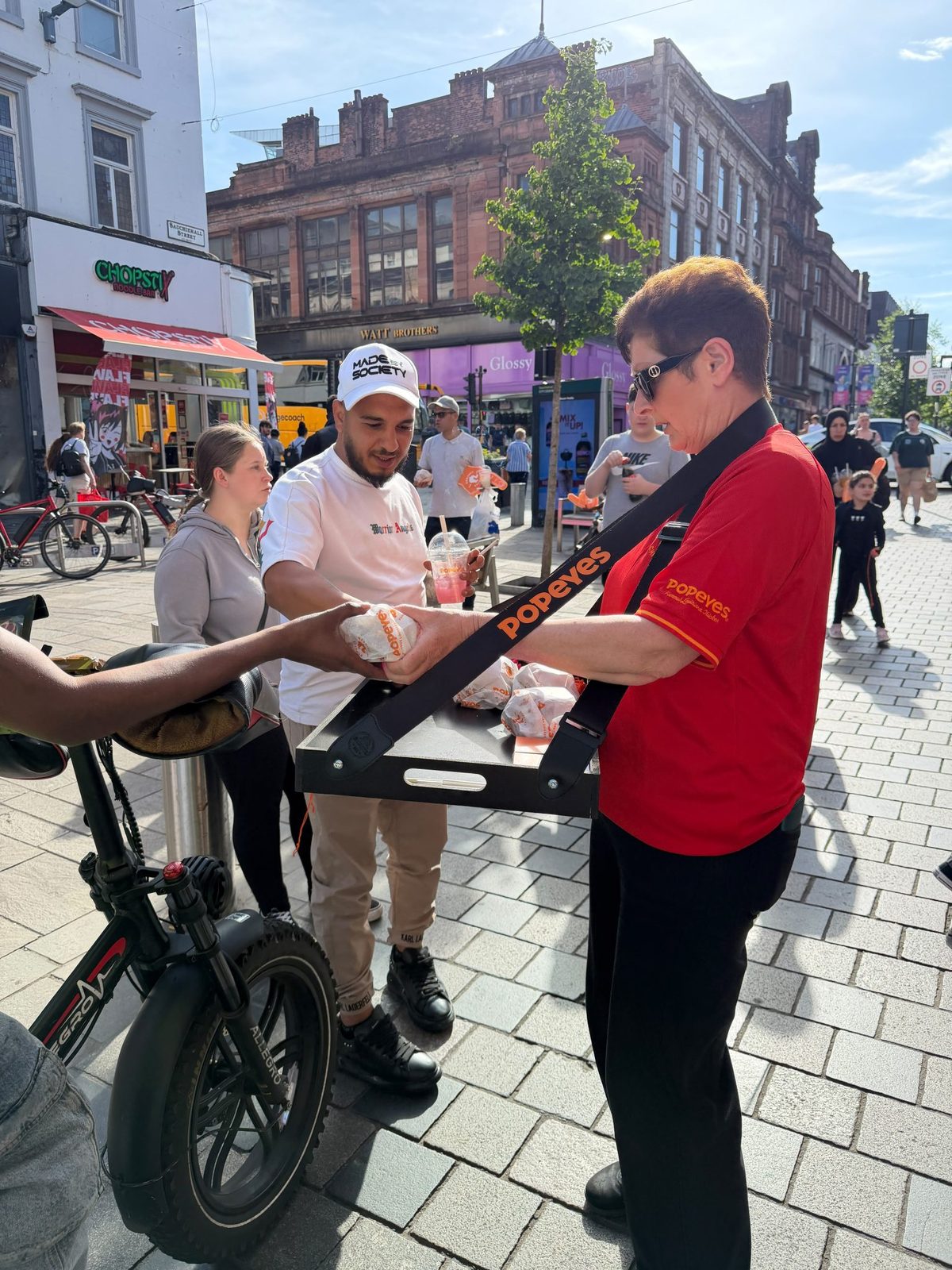
Putting food, drink or personal care products straight into people's hands.
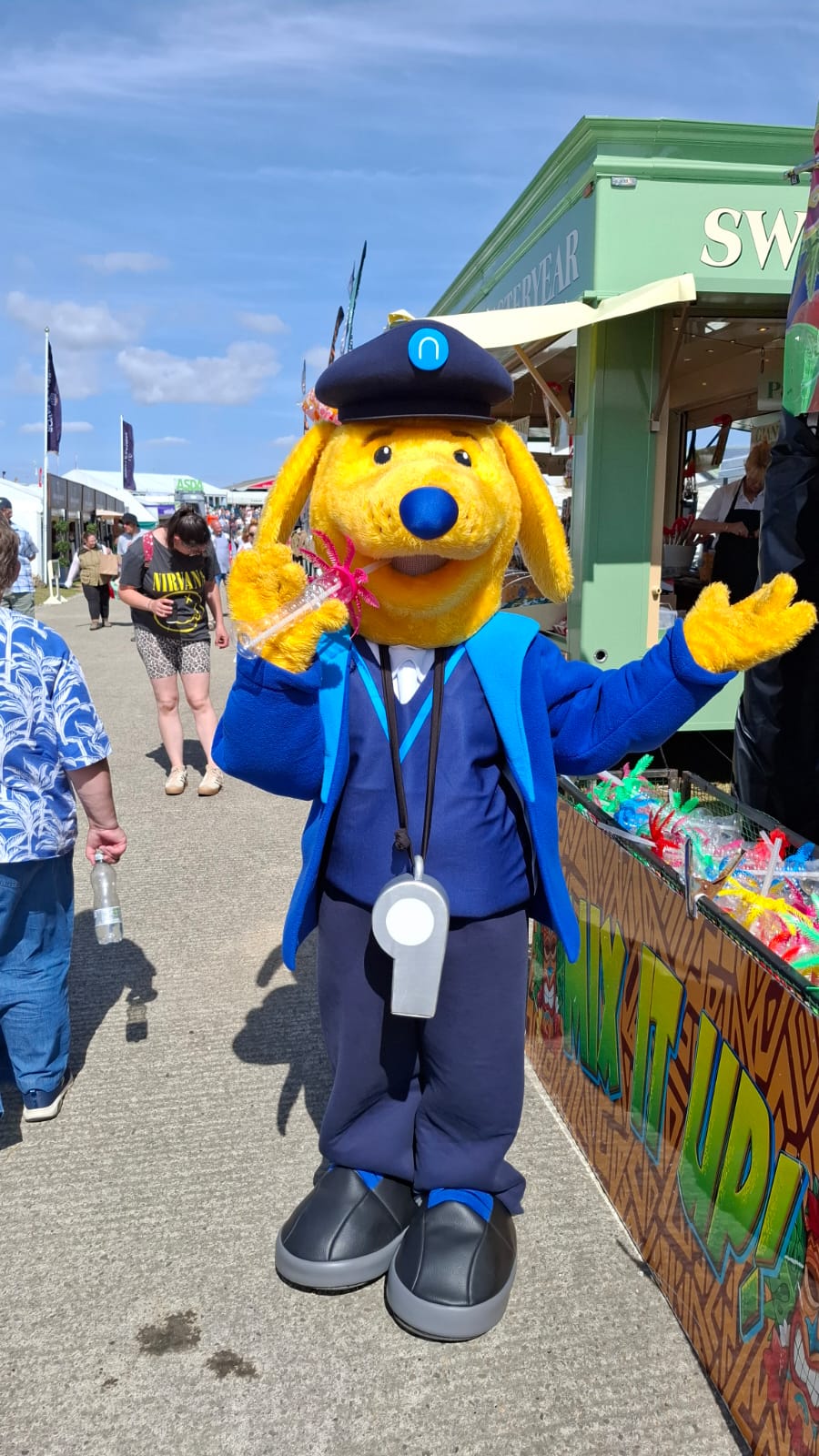
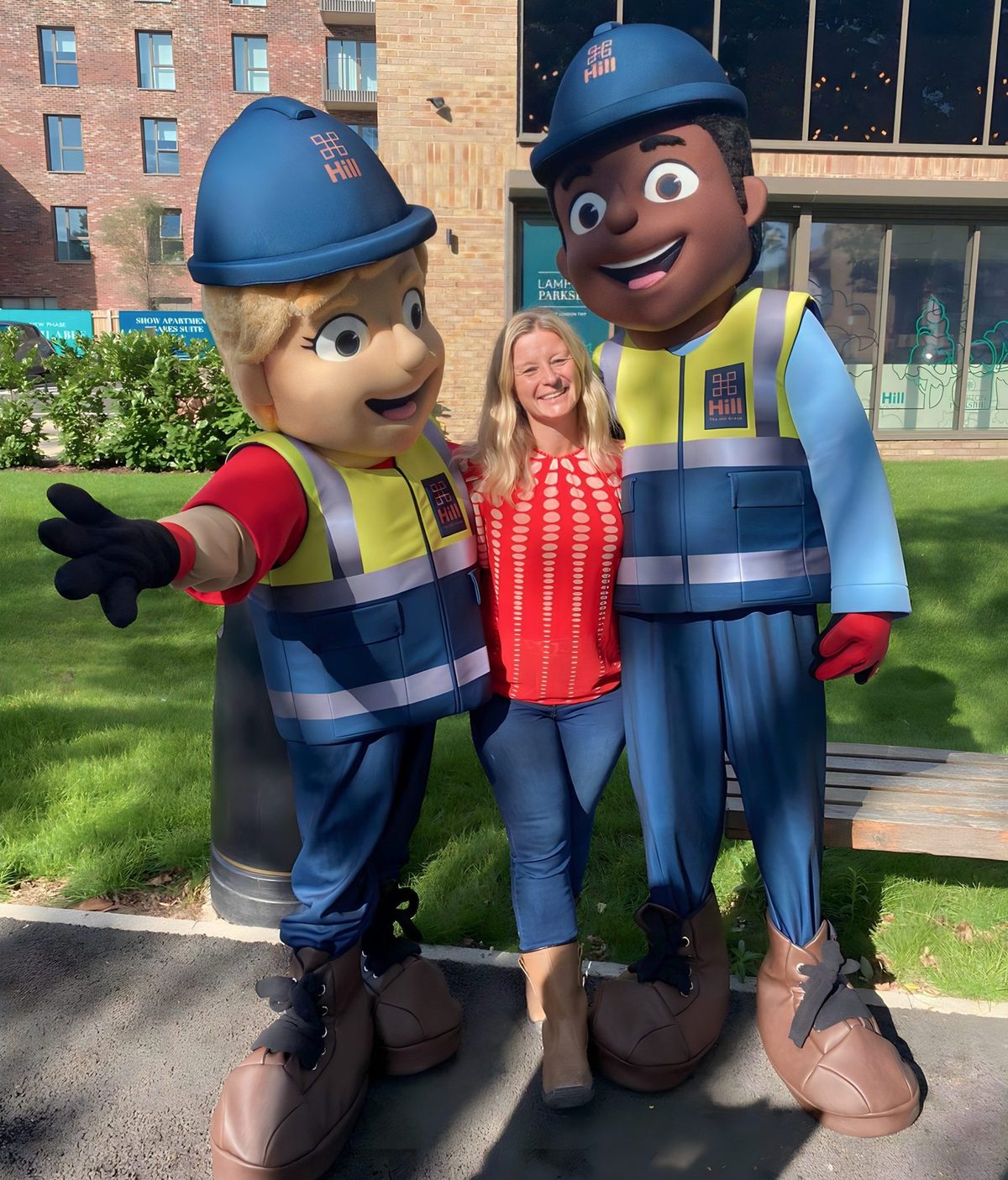
A mascot or roaming performer who draws attention and photographs.
Branding placed on everyday objects such as benches, stairs or coffee sleeves.
A staged moment designed to be watched, filmed and shared.
Images projected onto buildings or logos pressure-washed into dirty pavements, both of which need the owner's or council's consent.
Bikes, rickshaws or vehicles carrying a message and often a team.
04Step 4 of 8
Guerrilla marketing examples, good and bad
Some guerrilla marketing examples have become textbook cases.
Park benches painted so the slats looked like the product turned a place to sit into a reminder of the brand without a single word of copy.
A dance at a busy station, where hundreds of performers broke into a routine among commuters, showed how a staged moment could become an advert that people chose to share.
05Step 5 of 8
Guerrilla marketing ideas and tactics
The guerrilla marketing tactics that work tend to follow a few principles.
Local
A borrowed moment
A prop
Photographable
A next step
A message that refers to the exact street, station or match day feels made for the people there.
Big sporting events, weather and seasonal dates give people a reason to notice; respect the rights of official sponsors and event organisers.
A striking costume, a branded tricycle or a giant version of the product makes it easy to start a conversation.
A frame, a mirror or a playful sign invites people to take part and share.
A code, a voucher or a store address turns a smile into something you can measure.
Good guerrilla marketing ideas catch people off guard without inconveniencing them. If a stunt blocks a pavement or alarms passers-by, the story told about it won't be the one you wanted.
06Step 6 of 8
Getting permission
Public streets are not a free-for-all.
CouncilConsent in designated areas
LandownerBooking for private land
Consent lettersWith the team leader
Many councils designate areas where handing out free leaflets or flyers needs their consent, and some charge for it or limit numbers.
Stations, shopping centres and retail parks are private land, so the owner or operator must agree to any activity, through a booking and a fee.
Plan for the clean-up as well: some councils expect distributors to collect discarded flyers near their pitch.
Keep consent letters with the team leader so staff can show them if asked, and never send people to work a pitch the brand hasn't cleared. Staff shouldn't be the ones arguing with an officer about whether a pitch is allowed.
Key pointCheck with the council and the landowner before anything is printed. Permissions take longer than artwork.
07Step 7 of 8
Running a team on the street
Pick pitches by footfall and audience, then by timing.
Station entranceTwo short commuter peaks
Shopping streetBuilds through the late morning
University campusFollows the timetable
A station entrance is busy for two short commuter peaks; a shopping street builds through the late morning; a university campus follows the timetable. Put people where the audience is at its most relaxed, not just where it is most crowded.
Work in pairs or small groups for safety and energy, with a team leader who moves between pitches, manages stock and checks in with the brand.
Brief the team on the message, on how to accept a polite "no" gracefully, and on what to do if challenged by the public or an official.
Kit matters outdoors: weatherproof uniforms, somewhere to keep stock dry and a plan for rain.
Geo-tagged check-ins and photos from each pitch give the brand proof that the team was where it should be.
08Step 8 of 8
Measuring street work
Hand-outs are easy to count and easy to overrate.
Hand-outs
Response per pitch
Report per pitch
Team moved to the best pitches
Pair them with something that shows a response: unique voucher codes per pitch, QR scans, sign-ups, store visits or redemptions in nearby branches.
For stunts, track footage views, shares and press mentions, but judge them against the objective you set, not against the most viral campaign you've read about.
Ask the team leader for a report per pitch: hand-outs, conversations, response, footfall pattern and any issues.
After a few days, the best pitches and times stand out, and the team can be moved to where it works hardest.
Checklist
Before the team goes out.
0/5
Ready for the street.
At a glance
A street campaign, stage by stage.
Each stage of a street campaign, its aim and one tip. Tap a row to read its step.
Questions about guerrilla campaigns on the street.
Do we need permission for street marketing?
In most places, yes. Handing out flyers in some council areas, working on private land, projecting onto buildings and marking pavements all need the right permission. Plan the permissions with the idea, not after it.
What shapes the cost of a team on the street?
The number of people, the hours and days they work, how many towns or pitches are covered, briefing time and any specialist roles such as costume performers. Council or landowner fees, printing and stock are separate costs.
Do you build the stand or produce the materials?
No. We supply and manage the street team. Leaflets, props, branded clothing and stock come from the brand, its agency or a production company, and our team works to that plan.
Agencies and brands come up with the idea; we supply the people who take it onto the street. Teams are recruited from 40 staffing hubs across the UK, briefed on your message and checked in on every pitch, with a 24/7 support line answered day and night. See our guerrilla and street marketing staff for how we work.